Artificial intelligence (AI) applications in mental health possess immense potential to revolutionize clinical results, yet determining the most optimal strategies remains a persistent difficulty. This research fills this gap by assessing and establishing priorities among various AI-based mental health options. The evaluation is grounded in essential benchmarks: implementation feasibility, economic efficiency, scalability, adherence to ethical standards, user satisfaction, and overall clinical efficacy. A fuzzy multi-criteria decision-making (MCDM) framework, integrating fuzzy TOPSIS and fuzzy ARAS, was utilized to determine the ranking of the alternatives. A hybrid combination of these two approaches was subsequently implemented to reconcile variations in the results, as each methodology highlights distinct evaluative dimensions. Fuzzy TOPSIS, which privileges proximity to the ideal target, positioned the personalization of care (A5) as the primary alternative, yielding a closeness coefficient of 0.50, with user engagement (A2) following at 0.45. Similarly, fuzzy ARAS, which measures aggregate performance, ranked A5 as the leading option, demonstrating a total performance score of Si = 0.90 and a utility degree of Qi = 0.92. The integration of both frameworks offered a well-rounded analysis, wherein A5 maintained its premier ranking because of its superior performance in user satisfaction and clinical outcomes. These findings highlight the critical role that personalization and active engagement play in refining AI-enabled mental health platforms. This indicates that customized, patient-centric strategies are vital for maximizing therapeutic efficacy and sustaining user commitment.
The contemporary trajectory of global industrial advancement is increasingly leaning toward the integration of Artificial Intelligence (AI) across the spectrum of human endeavors. The utilization of AI within medical environments traces back to the early 1950s, a period when medical practitioners sought to optimize their efficiency by leveraging computer applications to diagnose the origins and characteristics of diseases [1, 2]. From that era onward, the integration of AI into medical systems has accelerated, particularly in recent times. This expansion is driven by the rapid evolution and sophistication of contemporary computing infrastructure alongside the exponential growth of accessible data [3]. Consequently, the deployment of AI within clinical environments is gradually reshaping the paradigms of medical practice [4].
The fundamental goal of AI is to replicate the cognitive processes and intellectual workflows of human beings [5]. Driven by the expanding volume of medical data and substantial methodological breakthroughs in healthcare analytics, the integration of AI models within medical operations is progressing rapidly [6]. Nevertheless, while AI has achieved widespread adoption in clinical domains such as dermatology, oncology, and radiology, its utilization within psychiatric and mental healthcare contexts remains limited or intermediate at best [7]. Additional prominent applications of AI in medicine encompass diagnostic procedures and clinical decision support [4]. Given the elevated rates of morbidity and mortality among individuals experiencing psychiatric conditions, compounded by severe shortages in the mental health workforce, there is a critical and immediate need to leverage AI. Deploying these technologies can help detect individuals at elevated risk for psychiatric disorders, thereby facilitating timely clinical interventions before conditions deteriorate into partial or total psychological disability. Recent investigations confirm that utilizing AI to upgrade mental healthcare delivery yields highly promising results [8].
The global burden of psychiatric disorders is profound, impacting hundreds of millions of individuals worldwide [9]. Given the advanced capabilities of modern AI systems, multi-criteria decision-making (MCDM) frameworks serve as highly appropriate instruments for mental health analytics. Indeed, MCDM methodologies have seen extensive application across the psychological and psychiatric domains [10]. The healthcare sector increasingly relies on MCDM tools to execute clinical decisions characterized by multiple conflicting benchmarks [11]. Decision-making processes within medicine are inherently multidimensional, requiring the synthesis of intricate variables spanning clinical, financial, technological, ethical, sociological, and ecological dimensions [12].
Accordingly, MCDM concentrates heavily on managing hybrid, interdependent decision paths [10]. The majority of MCDM frameworks rely on assigning specific weights or indices to reflect the relative importance of individual criteria [13]. The subsequent ordering and determination of optimal alternatives are conducted based on these derived composite scores [14]. Because MCDM methods function through structured, systematic pipelines, they possess the analytical rigor required to navigate complex mental health challenges [15].
However, while numerous investigators have explored different MCDM configurations within broader healthcare contexts using diverse analytical techniques, a substantial gap persists regarding the use of MCDM frameworks to implement AI-driven mental health strategies. To bridge this gap, this study aims to isolate the critical success factors required to deploy AI-driven mental health interventions via an MCDM framework. The corresponding implementation was executed utilizing the Fuzzy Additive Ratio Assessment (fuzzy ARAS) multi-criteria decision-making methodology.
The evaluation of healthcare systems can be conducted through a diverse range of analytical instruments. These mechanisms play an indispensable role in facilitating robust decision-making workflows within medical administration. Implementing appropriate decision-support tools is highly critical when navigating complex psychiatric care determinations in healthcare environments. Benefiting from state-of-the-art, pioneering AI developments, numerous decision-making frameworks are available to deploy within psychiatric settings. Notable examples of AI systems viable for mental health services include conversational agents (chatbots) and automated diagnostic instruments. Identifying the most optimal strategies and predicting their probability of success necessitates a comprehensive review across multiple benchmarks. This section examines prior scholarly investigations that align with the core objectives of this research. Various investigators have focused on advancing diverse AI technologies and establishing distinct techniques to rank and determine the most effective decision-making frameworks for psychiatric interventions through various MCDM methodologies.
Gupta et al. [16] introduced a theoretical framework designed to assist institutions in choosing optimal technologies to enhance adoption rates among relevant stakeholders within their respective medical domains. Their research scrutinized the barriers to deploying AI within the clinical sector. Utilizing the Delphi technique alongside focus group discussions (FGDs), the study analyzed approximately 250 technology-related hurdles, subsequently narrowing them down to the 16 most critical impediments. Supplemental evaluation was conducted via cross-impact matrix multiplication applied to classification (MICMAC) and interpretive structural modeling (ISM) methodologies to classify these barriers based on their intensity and relevance. The outputs of the MICMAC and ISM configurations indicated that AI possesses an unfulfilled capacity to evaluate cybersecurity vulnerabilities, and highlighted that the absence of infrastructure coupled with appropriate regulatory legislation constitutes the primary obstacles hindering AI integration in healthcare. Suha et al. [17] explored the capacity of 15 primary sustainability metrics to incorporate AI functionalities into the decision-making workflows of the medical sector. Their study carried out a systematic evaluation procedure to prioritize and select the metrics carrying the greatest significance for clinical environments. Insights were gathered from domain experts, and qualitative feedback was converted into quantitative datasets, which were subsequently processed based on relevance and non-relevance. Furthermore, the metrics were organized into three categories using two distinct clustering techniques. The authors suggested that healthcare administrators would find these outcomes to be a valuable resource when executing AI-driven decision processes within the medical sectors of developing countries.
Joshi et al. [18] modeled the integration of AI across multi-tiered analytical levels utilizing MCDM methodologies. Their investigation highlighted the challenges linked to formulating prospective strategies. The study offered critical insights regarding the implementation of AI across general clinical facilities. Hsu et al. [10] demonstrated the development of structural frameworks for critical determinants by incorporating conversational agents into military mental health platforms. The adapted methodology progressed through four sequential phases: the initial or preparatory phase; the second phase, which involved validation via the fuzzy Delphi technique; the third phase, dedicated to design; and the fourth phase, focused on formal establishment. The research yielded three primary conclusions: first, it successfully isolated twenty-one metrics organized across four distinct dimensions; second, these twenty-one metrics and four dimensions demonstrated autonomous, mutually influential relationships; and third, the four designated dimensions comprised boundaries, operations, objectives, and technology. Chakraborty et al. [19] tackled psychiatric challenges through the creation of a web-based interface intended for the early identification and prevention of mental health disorders in individuals. Their study utilized a random forest classifier model to evaluate the level of stress elicited during a question-and-answer assessment, mapping a subject's internal physiological reactions directly from facial expressions. These separate metrics were integrated to estimate the probable psychological status of the subject.
Rane et al. [20] leveraged blockchain networks to improve medical data transparency through open data distribution models. The study analyzed the impediments to establishing a healthcare metaverse, assessing elements such as technological interoperability, data privacy safeguards, and ethical considerations. The authors addressed these hurdles and proposed mitigation strategies, emphasizing the necessity of cross-disciplinary collaboration and regulatory architecture. This research established an introductory platform for embedding AI within the developing structure of the medical metaverse. The conclusions of this work provide a foundational baseline for strategizing around the changing convergence of medical and metaverse applications. Akhtar et al. [21] investigated the adoption of digital technologies within clinical environments. This research identified ten primary facilitators crucial for attaining the targeted outcomes. The relative importance of these facilitators was measured utilizing fuzzy MARCOS and fuzzy TOPSIS multi-criteria evaluation techniques. Based on the findings, a quantitative framework for clinical decision-making was introduced. The validity of these outcomes was subsequently confirmed through sensitivity analysis.
El-Douh et al. [22] conducted a review to analyze the core dimensions vital for sustainable medical infrastructure, utilizing the COVID-19 pandemic as an illustrative case study. The investigation highlighted the necessity of equitable access to robust healthcare delivery, psychiatric support, transnational alliances, clear communication channels, and proactive readiness. MCDM was applied to evaluate the sustainability thresholds of healthcare infrastructures by examining criteria weights alongside their respective benchmarks. A comparative analysis was carried out across the criteria, while a neutrosophic operation was executed to reconcile imprecise datasets. Ahmad et al. [23] evaluated the psychological impacts of social distancing measures on human behavior to rank and prioritize these psychological elements based on their severity. Two fuzzy MCDM frameworks were utilized to execute the multi-criteria assessment: the fuzzy best–worst method (f-BWM) and the fuzzy technique for order of preference by similarity to ideal solution (fuzzy TOPSIS). The findings indicated that five primary psychological factors were highly positioned as having a significant likelihood of impacting individuals during the pandemic, specifically panic, anxiety, frustration, stress, and insomnia. Supplemental multi-criteria evaluation was performed using the fuzzy weighted sum method (f-WSM) and the fuzzy multi-attributive border approximation area comparison (f-MABAC) to arrange and validate these psychological factors. A comparative analysis between the initial and subsequent multi-criteria frameworks was executed for validation purposes, complemented by a sensitivity analysis. The study's conclusions demonstrated that the psychological indicators were ordered systematically according to high, intermediate, and low severity tiers.
The existing literature outlines the execution of numerous studies focusing on AI deployment within clinical settings. All the evaluated publications utilized AI and/or MCDM frameworks to support decision-making tasks. These methodologies across the reviewed studies shared the fundamental goal of optimizing the efficiency of medical determination paths and operations. However, the majority of the analyzed literature treated the healthcare ecosystem as a generalized entity, offering minimal focus to the specific domain of psychiatric interventions. This distinct gap in knowledge regarding mental health initiatives was left unaddressed across the available literature during a comprehensive search of the existing bibliography. Consequently, the present study contributes to this body of knowledge by leveraging MCDM tools to identify the critical success factors required for deploying AI-enabled mental health solutions.
This section delineates the methodological framework executed in this research. It details the fundamental principles governing fuzzy sets, the technique for order of preference by similarity to ideal solution (TOPSIS), and the fuzzy additive ratio assessment (fuzzy ARAS) approach. The operational pipeline utilized to carry out this investigation is illustrated in Figure 1.
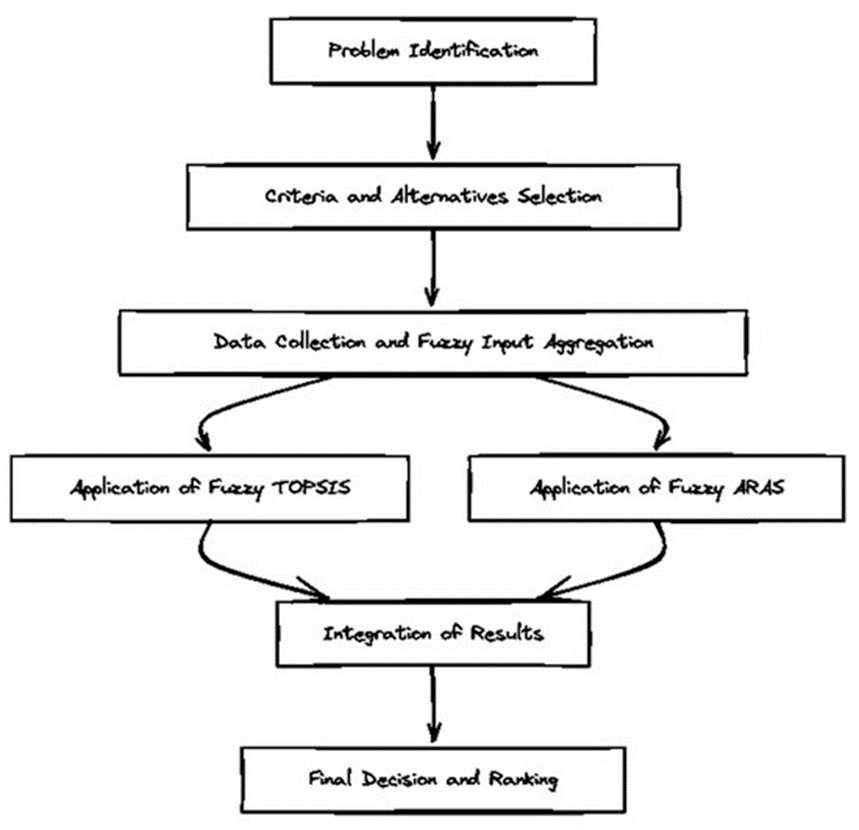
Figure 1. Methodology of the study.
This section presents the underlying principles of fuzzy sets, triangular fuzzy numbers, the fuzzy analytic hierarchy process (Fuzzy AHP), the technique for order of preference by similarity to ideal solution (TOPSIS), and the fuzzy additive ratio assessment (fuzzy ARAS) methodology. Additionally, the protocols for data collection and the structural details of the case study are outlined herein.
A fuzzy set represents a mathematical framework that accommodates partial membership within a designated set, serving to model conditions of imprecision and ambiguity. The foundational concept of fuzzy sets was introduced by Zadeh in 1965 as an expansion of classical set theory, in which set membership was strictly confined to a binary function [24, 25].
A triangular fuzzy quantity (TFQ) is defined over a set of real numbers 𝕐 and is characterized by a membership function (ϰ): 𝕐→[0,1]. This membership function is mathematically formulated as Eq. 1:
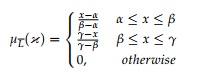 (1)
Here, 𝛼,, and 𝛾 denote the lower, middle, and upper boundaries of the fuzzy quantity, respectively (Figure 2). Together, they establish the triangular geometric form. The TFQ is formally designated as and written as =(𝛼,𝛽,𝛾).
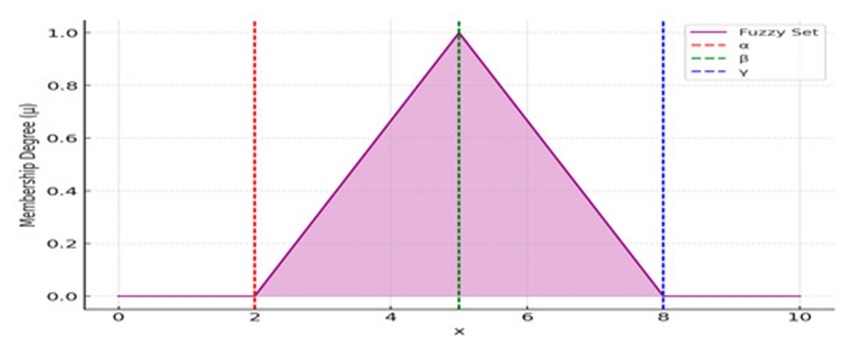
Figure 2. Triangular fuzzy quantity.
In this investigation, a 10-point triangular linguistic scale is implemented to gather the assessments of the participating experts (Figure 3).
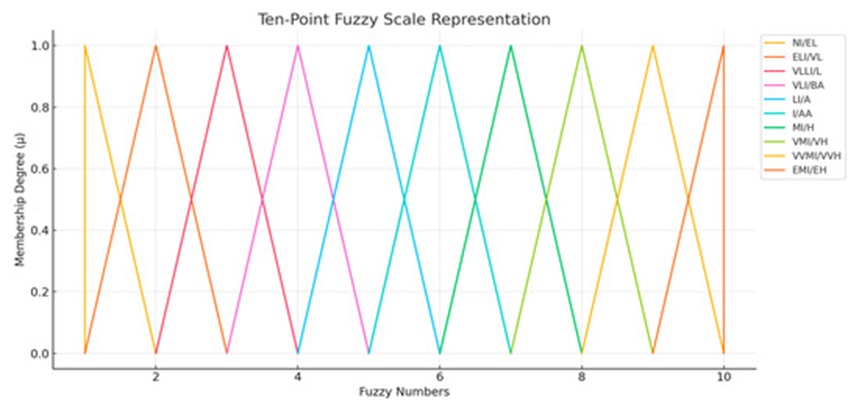
Figure 3. Triangular 10-point linguistic scale used in this study [26].
As illustrated in Figure 3, the abbreviations correspond to the following linguistic pairs: NI/EL signifies Not Important (NI)/Extremely Low (EL), ELI/VL represents Extremely Less Important (ELI)/Very Low (VL), VLLI/L denotes Very Very Less Important (VLLI)/Low (L), VLI/BA indicates Very Less Important (VLI)/Below Average (BA), LI/A stands for Less Important (LI)/Average (A), I/AA means Important (I)/Above Average (AA), MI/H represents More Important (MI)/High (H), VMI/VH refers to Very More Important (VMI)/Very High (VH), VVMI/VVH corresponds to Very Very More Important (VVMI)/Very Very High (VVH), and EMI/EH denotes Extremely More Important (EMI)/Extremely High (EH).
The categorization of fuzzy importance values in this research relied on a ten-point fuzzy linguistic scale that is frequently cited in existing fuzzy multi-criteria decision-making (MCDM) literature [26]. The linguistic expressions utilized, such as “Not Important”, “Very Important”, and “Extremely Important”, were converted into corresponding triangular fuzzy numbers (TFNs). These assignments adhered to a standardized framework, preserving uniformity and comparative alignment with prior academic work. Threshold values for these importance levels were established using proven benchmarks from earlier research [27], where each specific linguistic descriptor matched a designated interval within a triangular fuzzy number set. As an illustration, “Not Important” (NI) was assigned the fuzzy coordinate (1, 1, 2), whereas “Extremely Important” (EMI) was mapped to (9, 10, 10). This systematic configuration enabled the rigorous transformation of qualitative expert assessments into quantitative fuzzy numbers.
TFQs allow for the mathematical integration or comparison of fuzzy values through multiple operational mechanisms. Assuming two distinct TFQs are denoted as [27] \tilde{M}_1 = (\alpha_1, \beta_1, \gamma_1) and \tilde{M}_2 = (\alpha_2, \beta_2, \gamma_2), functions such as addition, multiplication, subtraction, division, and the calculation of reciprocals can be systematically performed. The fundamental algebraic laws governing TFQs are structured as follows:
Addition
 (2)
Multiplication (with an assumption that all bounds are positive)
 (3)
Subtraction
 (4)
Division (with an assumption that all bounds are positive)
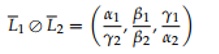 (5)
In the case of reciprocal
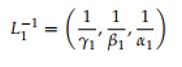 (6)
The analytic hierarchy process represents a widespread decision-analysis methodology used to prioritize a set of options across multiple benchmarks. Nevertheless, in practical environments, evaluators often face ambiguity when attempting to provide precise quantitative values for the relative importance of distinct criteria through pairwise comparisons. To overcome this limitation, the fuzzy analytic hierarchy process (Fuzzy AHP) embeds fuzzy logic principles into classical AHP frameworks, allowing decision-makers to communicate their preferences using fuzzy intervals rather than crisp values. The application of this methodology proceeds through the following sequential steps:
Step 1: Construct a Pairwise Comparison Matrix The initial phase involves establishing a pairwise comparison matrix \tilde{A}, within which criteria are evaluated against one another in a pairwise manner to establish their relative significance. These comparative metrics are formulated as fuzzy quantities according to Eq. 7:
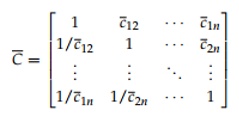 (7)
where denotes the comparative evaluation between fuzzy criterion i and fuzzy criterion j. For instance, reflects the relative significance of criterion 1 when evaluated against criterion 2.
Step 2: Calculation of the Geometric Means and Weights The subsequent phase entails computing the geometric means for each respective criterion. The geometric mean for the i-th criterion is determined via Eq. 8:
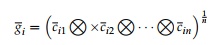 (8)
The summation of these pairwise assessments is executed to construct an aggregate fuzzy value across the criteria:
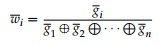 (9)
This sum yields the comparative weight for each individual criterion. The weights are mathematically expressed using triangular fuzzy numbers as follows:
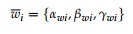
where 𝛼𝑤𝑖 represents the lower boundary of the weight, 𝛽𝑤𝑖 denotes the central value of the weight, and 𝛾𝑤𝑖 indicates the upper boundary of the weight.
The MCDM framework entails the systematic analysis of a collection of alternatives against a series of criteria, where individual benchmarks may possess varying degrees of relative importance. The performance of each specific alternative relative to each individual criterion is captured as a fuzzy number. The execution of this analytical procedure is guided by the following operational steps [27, 28]:
Step 1: Construction of the Fuzzy Decision Matrix During this stage, the formulation of the fuzzy decision matrix is carried out. Each constituent element 𝑖𝑗=(𝛼𝑖𝑗,𝛽𝑖𝑗,𝛾𝑖𝑗) details the fuzzy performance rating of alternative 𝐴𝑖 when evaluated against criterion 𝐵𝑗. This matrix formulation is guided by Eq. 10:
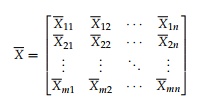 (10)
Here, 𝑖𝑗 serves as a triangular fuzzy number that denotes the specific performance capability of alternative 𝐴𝑖 under the benchmark of criterion 𝐵𝑗.
Step 2: Normalization of the Decision Matrix For benefit-based criteria where maximizing values is the objective, the normalization procedure involves dividing each individual fuzzy element by the maximum value found within that specific criterion column, using Eq. 11:
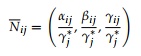 (11)
Conversely, for cost-based criteria where minimizing values is preferred, the normalization sequence is executed according to Eq. 12:
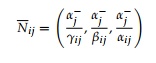 (12)
where:
represents the maximum boundary value within the j-th criterion;
represents the minimum boundary value within the j-th criterion.
The TOPSIS framework utilizes a ranking methodology that organizes alternatives based on their geometric distance from an optimal target solution, which simultaneously minimizes undesirable costs and maximizes desirable benefits. The implementation of this process is governed by the following steps [27]:
Step 1: Calculation of the Weighted Normalized Matrix The weighted normalized decision matrix 𝑖𝑗 is constructed by multiplying each separate component of the normalized matrix by its corresponding weight value allocated to that specific criterion, utilizing Eq. 13:
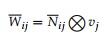 (13)
where 𝑣𝑗 signifies the fuzzy weight assigned to the 𝐵𝑗 criterion.
Step 2: Identification of the Ideal Solutions The positive ideal solution (PIS, A*) and the negative ideal solution (NIS, A-) are determined by applying Eqs.14 and 15:
 (14)
 (15)
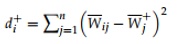
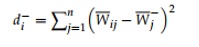
Step 3: Calculation of the Distances to the Ideal Solution The geometric distance separating each individual alternative from the positive ideal solution or the negative ideal solution is quantified utilizing the Euclidean distance formulations presented in Eqs. 16 and 17:
 (16)
 (17)
Step 4: Calculation of the Closeness Coefficient The relative closeness coefficient 𝐶𝐶𝑖 for each distinct alternative is computed via Eq. 18:
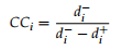 (18)
The closeness coefficient serves to quantify the proximity of each specific alternative to the ideal benchmark. A higher closeness value signifies a more optimal and high-performing alternative.
Step 5: Ranking of the Alternatives The prioritization and ultimate selection of the available options are directly determined by their respective closeness coefficients. The optimal configuration corresponds to the specific alternative that demonstrates the highest closeness coefficient value CCi.
The execution of the fuzzy ARAS methodology is conducted through the following sequential phases [29]:
Step 1: Determine the linguistic terms for criteria weights and performance ratings.
The linguistic variables are established based on established literature to characterize the relative importance of the criteria and the performance scores of the alternatives. These qualitative expressions are then mapped directly to corresponding fuzzy numbers.
Step 2: Transform the opinion of the experts to interval-valued triangular fuzzy numbers.
The individual evaluations provided by each expert are converted into an interval-valued triangular fuzzy number:
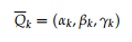
where 𝛼𝑘 represents the lower boundary, 𝛽𝑘 denotes the central value, and 𝛾𝑘 indicates the upper boundary of the k-th expert's evaluation. The aggregation of the fuzzy values across all participating experts is computed utilizing Eqs. 19–23:
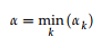 (19)
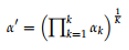 (20)
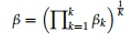 (21)
 (22)
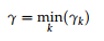 (23)
From the summation of these interval-valued triangular fuzzy numbers, the consolidated expert assessment 𝑘={(𝛼.𝛼′),𝛽,(𝛾′,𝛾)} is established.
Step 3: Decision matrix formulation
The formulation of the decision matrix Z is executed. Here, 𝑍𝑖𝑗 denotes the performance assessment of the i-th alternative relative to the j-th criterion, as structured in Eq. 24:
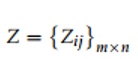 (24)
where m represents the total number of alternatives and n signifies the total number of criteria. The criteria weight vector is defined according to Eq. 25:
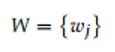 (25)
where 𝑤𝑗 corresponds to the weight of the j-th criterion. The individual decision matrix for each specific decision-maker k is formulated as Eq. 26:
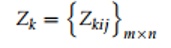 (26)
Correspondingly, the weight vector supplied by each individual decision-maker is expressed as Eq. 27:
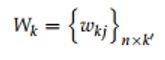 (27)
where k represents the total number of active decision-makers.
Step 4: Obtain the Optimal Performance Rating for the Individual Criterion
The optimal performance baseline 𝑍𝑜𝑗 for each respective criterion j is determined based on whether the benchmark represents a benefit or a cost attribute, utilizing Eq. 28:
 (28)
The formal expression for these fuzzy quantities is structured as given in Eq. 29:
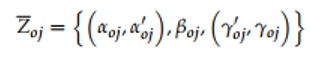 (29)
where 𝛺𝑚𝑎𝑥 designates the set of benefit-based criteria and \Omega_{min} designates the set of cost-based criteria.
Step 5: Normalization of the Decision Matrix
The normalization of the decision matrix is carried out by dividing each individual element by the sum total of all values within that criterion, which is operationalized through Eq. 30:
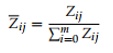 (30)
When addressing cost-oriented criteria, where minimized values represent a superior outcome, normalization is executed according to Eq. 31:
 (31)
where represents the most ideal value identified for that criterion.
The normalization formula for the fuzzy performance scores is presented as Eq. 32:
 (32)
where 𝑐+𝑗 is equivalent to for the benefit criteria and 𝑎−𝑗 is equivalent to for the cost criteria.
Step 6: Application of Weights to the Normalized Decision Matrix
Each separate element within the normalized decision matrix is multiplied by the corresponding weight assigned to that individual criterion. This calculation is performed via Eq. 33:
 (33)
where 𝑉𝑖𝑗 represents the weighted normalized performance score of the i-th alternative relative to the j-th criterion.
Step 7: Calculation of the Overall Fuzzy Performance Rating
The aggregate performance value \tilde{S}_i for each individual alternative i is derived by summing all the weighted normalized scores across the entire set of criteria. This operation is carried out using Eq.34:
 (34)
Step 8: Defuzzification of the Performance Rating
Defuzzification is executed to facilitate a direct comparison of the fuzzy performance scores by determining the geometric mean of the constituent triangular fuzzy components. This transformation is achieved through Eq. 35:
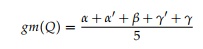 (35)
where 𝑄={(𝛼,𝛼′),𝛽,(𝛾′,𝛾)} denotes the fuzzy performance score of a given alternative.
Step 9: Calculation of the Degree of Utility
The utility degree 𝑈𝑖 for each separate alternative is determined relative to the most optimal alternative baseline 𝑆0. This calculation is executed via Eq. 36:
 (36)
This resulting index quantifies the proximity of each individual alternative to the ideal solution.
Step 10: Ranking of the Alternatives
The prioritization of the options is established based on their derived utility degree values U_i. The alternatives are organized in descending order, from the highest value to the lowest value. The option demonstrating the maximum utility score is designated as the most optimal alternative, with the remaining options sequenced accordingly.
An evaluation instrument was structured and deployed to capture expert assessments regarding the prioritization weights of the selected benchmarks. This was aimed at identifying the critical success determinants for deploying AI-enabled psychiatric interventions via the MCDM framework. The architecture of the survey was grounded in a comprehensive review of scholarly literature, specifically focusing on fuzzy multi-criteria decision-making (MCDM) configurations within medical environments and AI-enabled psychological systems. Fundamental evaluation benchmarks and alternative options were established and adjusted through iterative consultations with pilot respondents to confirm their applicability and comprehensiveness. To guarantee the enrollment of qualified and deeply informed specialists, rigorous eligibility benchmarks were enforced. The specialists chosen for this investigation possessed extensive scholarly and vocational credentials, including doctoral or advanced master's degrees and prolonged operational tenure in corresponding disciplines. The recruitment pipeline emphasized cross-disciplinary professional backgrounds to capture a balanced viewpoint across university faculties, clinical institutions, and research centers.
The evaluation board comprised five specialists with distinct competencies. Expert 1 possesses an MSc in healthcare administration with over ten years of professional tenure, centering primarily on clinical results. Expert 2 holds a Ph.D. within the academic sector and has contributed significantly to clinical investigations. Expert 3 holds a Ph.D. and operates within a research facility, focusing on feasibility analyses for AI deployment. Expert 4, possessing an MSc and operating within a private clinical practice, emphasized patient satisfaction within their assessment. Expert 5 holds a Ph.D. in healthcare and has extensive institutional experience centered on clinical results. The survey incorporated both statistical and descriptive segments, mapping qualitative linguistic expressions directly onto triangular fuzzy coordinates to methodically record subjective expert viewpoints. This methodology maintained uniformity and dependability across all separate assessments, enhancing the stability of the consolidated fuzzy decision matrix.
The specialists were explicitly notified of the discretionary nature of their participation prior to submitting the requested data. Furthermore, they were informed that their responses would be utilized strictly for scientific inquiry and that complete anonymity would be maintained. The survey profiles were completed and submitted by the specialists, who granted explicit authorization for their data to be processed within this investigation.
An empirical case study is introduced, centering on the assessment and prioritization of the most impactful AI-enabled psychological configurations capable of optimizing mental health therapeutics. Following consultations with domain specialists and an analysis of existing literature, five AI-centric operational strategies were established, comprising: personalization of care, user engagement, integration with healthcare systems, data security and privacy, and clinical outcomes (Table 1). Additionally, the empirical analysis isolated six critical benchmarks, which encompass: feasibility of implementation, cost-effectiveness, scalability, ethical compliance, user satisfaction, and impact on clinical outcomes.
Table 1. Description of the criteria and alternatives considered in this study.
Evaluation Criteria | Description |
Implementation Feasibility [30] | The extent to which an AI-based mental health intervention can be effectively designed, deployed, integrated, and sustained within current healthcare environments. |
Cost-Effectiveness [31] | The degree of economic value offered by the solution, taking into account development expenses, operational costs, and the resulting improvements in mental health outcomes. |
Scalability [32] | The capability of the solution to accommodate a growing user base and broader deployment while maintaining its effectiveness and performance. |
Ethical Compliance [33] | Conformity with ethical principles, including safeguarding patient privacy, obtaining informed consent, and ensuring responsible AI utilization in mental healthcare settings. |
User Satisfaction [34] | The level of acceptance, engagement, and perceived usefulness reported by users when interacting with the AI-based mental health solution. |
Impact on Clinical Outcomes [35] | The extent to which the solution contributes to positive mental health improvements, demonstrated through observable and quantifiable clinical indicators. |
Expert viewpoints were gathered from five professionals experienced in psychiatric care delivery and familiar with the operational parameters of AI systems. Their assessments utilized linguistic terms (Figure 3) translated into triangular fuzzy numbers to account for subjective uncertainty. Fuzzy TOPSIS and fuzzy ARAS frameworks were implemented to assess the AI-enabled psychological strategies. To optimize the consistency of the findings, the two frameworks were synthesized utilizing a normalized geometric mean approach. The fuzzy TOPSIS technique prioritized the shortest geometric distance to the ideal target solution, whereas the fuzzy ARAS approach measured cumulative performance indicators across all evaluation benchmarks. Occurrences of missing metrics were managed via the Ignore Missing Values protocol, ensuring that the aggregated computations were derived exclusively from available entries. The hierarchical structural model of the decision components evaluated in this research is illustrated in Figure 4.
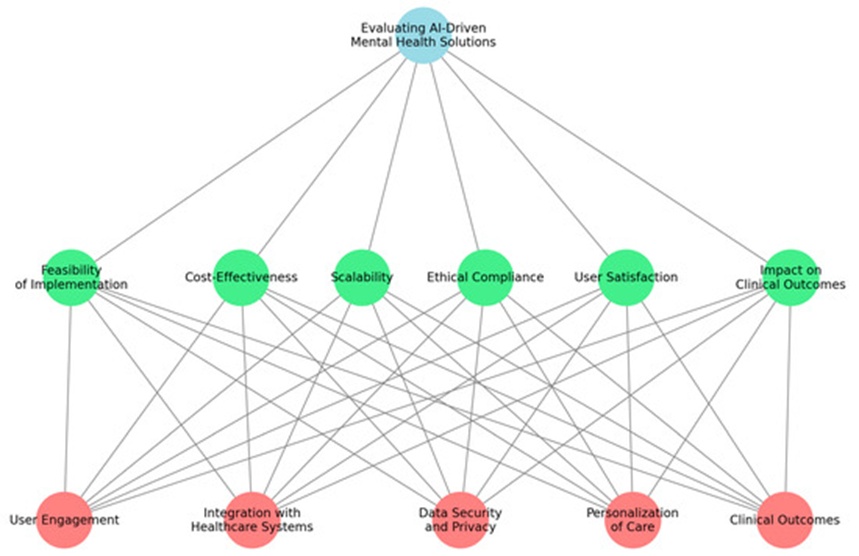
Figure 4. The hierarchical structure of the problems considered in this study.
Deontological and ethical standards served as a baseline guiding the structural design, specialist recruitment, data governance, and decision-support procedures of this research (Figure 5). Maintaining operational transparency, procedural equity, and alignment with recognized ethical baselines remained a priority throughout the execution of this study. Specialists were recruited based on academic credentials, occupational expertise, and the alignment of their scientific portfolios with AI-driven clinical platforms. Deliberate efforts were made to ensure balanced representation across universities, clinical settings, and research centers to mitigate selection bias and promote multi-stakeholder inclusivity. Respondents were explicitly informed that participation was entirely voluntary and that their datasets would be processed exclusively for scientific research under strict anonymity safeguards. By returning the finalized survey instruments, the respondents provided implied consent for data utilization. Because this investigation involved no somatic or psychological interventions on human subjects, formal ethical clearance from an institutional review board was not required. Nonetheless, the research conformed to the ethical benchmarks established in the Declaration of Helsinki and observed all relevant data protection statutes to preserve confidentiality and sound data management.
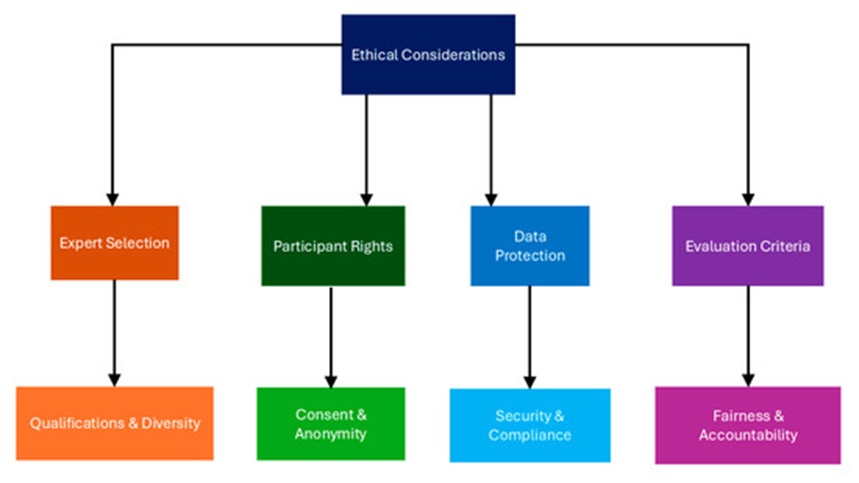
Figure 5. Ethical perspectives considered in this study.
To minimize cognitive distortions and subjective anchoring biases, expert inputs were synthesized through fuzzy linguistic scaling, guaranteeing that all specialist viewpoints were equitably balanced in the ultimate determination matrix without being distorted by an individual outlier perspective. Information security and data confidentiality were prioritized, implementing rigorous encryption frameworks to safeguard the integrity and privacy of the compiled datasets. All digital records were encrypted and stored on secure repositories in compliance with statutory frameworks such as the General Data Protection Regulation (GDPR). Ethical dimensions were directly embedded into the weighting and prioritization of the evaluation benchmarks. Variables such as information security, individual privacy, fairness, and systematic accountability were heavily emphasized during the weighting and assessment phases, confirming that ethical considerations were properly mirrored within the ultimate decision matrix.
By incorporating these ethical principles into every operational phase of the research workflow, this study preserved transparency, systematic accountability, and respect for the contributors' insights. Future investigations can build upon these foundational parameters to further refine the operationalization of ethical criteria within AI-driven medical decision-support systems.
This section details the empirical findings of this investigation. The specialist evaluations regarding AI-enabled clinical platforms in psychiatric care reflect a diverse array of educational backgrounds, operational tenures, and institutional affiliations. The respondents, holding either MSc or Ph.D. degrees, represent clinical practice, academia, private sectors, and research organizations, with professional experience ranging from 6 to 20 years. Medical practitioners gave priority to clinical outcomes, academic personnel focused on baseline innovation, research specialists emphasized deployment feasibility, and private practitioners highlighted user satisfaction metrics. The core prioritized evaluation benchmarks included clinical impact, implementation feasibility, and user satisfaction, indicating a balanced focus on operational deployment capability and consumer experience. All specialists uniformly highlighted the necessity of human–AI interaction, framing AI as a supportive mechanism designed to optimize operational throughput and decision accuracy rather than a replacement for the vital interpersonal elements of psychiatric treatment. These combined insights highlight the necessity of designing custom AI frameworks that respond to educational, experiential, and sector-specific variables while prioritizing measurable performance metrics and ethical execution.
Table 2 details the qualitative linguistic evaluations provided by the specialists regarding the weights assigned to each criterion, alongside the aggregated weight profiles derived using the fuzzy AHP framework. Table 3 outlines a comprehensive summary of all evaluation benchmarks and their relative importance indices concerning AI-driven mental health strategies. These compiled responses illustrate the divergent perspectives of the evaluators, modeled via a series of triangular fuzzy membership boundaries, and offer a transparent view of which system characteristics are allocated higher strategic importance.
Table 2. Fuzzy weight assigned by the experts.
Criterion | Specialist 1 | Specialist 2 | Specialist 3 | Specialist 4 | Specialist 5 |
Implementation Feasibility (C1) | I | VMI | VVMI | VVMI | EMI |
Cost-Effectiveness (C2) | MI | MI | VVMI | EMI | VVMI |
Scalability (C3) | VMI | VVMI | VVMI | VVMI | VVMI |
Ethical Compliance (C4) | VMI | VVMI | VMI | VMI | VMI |
User Satisfaction (C5) | EMI | VVMI | VMI | VVMI | EMI |
Clinical Outcome Impact (C6) | MI | VVMI | VMI | VVMI | VVMI |
Table 3. Fuzzy AHP for weights determination.
Criterion | Upper Value | Moderate Value | Lower Value |
Implementation Feasibility (C1) | 9.35 | 8.41 | 7.43 |
Cost-Effectiveness (C2) | 9.26 | 8.41 | 7.43 |
Scalability (C3) | 9.35 | 8.78 | 7.87 |
Ethical Compliance (C4) | 9.00 | 8.00 | 7.00 |
User Satisfaction (C5) | 9.43 | 9.00 | 8.00 |
Impact on Clinical Outcomes (C6) | 9.26 | 8.41 | 7.43 |
The empirical outcomes outlined in Table 3 indicate that user satisfaction (C5) represents the most critical benchmark, demonstrating a superior fuzzy importance interval of (8.0, 9.0, 9.43). This outcome strongly underscores that consumer satisfaction is positioned at the apex when assessing AI-enabled psychological interventions. Its sustained maximum values across all three operational dimensions (lower, central, and upper boundaries) further highlight its systemic prominence. This finding is highly pertinent given that psychological therapies demonstrate enhanced efficacy when aligned with consumer requirements and preferences, which subsequently fosters active user engagement, treatment compliance, and optimized therapeutic results.
Scalability (C3) occupies the second position, yielding a significant fuzzy importance rating of (7.87, 8.78, 9.35). Within the domain of AI-driven mental health architectures, high-tier extensibility is an essential prerequisite. Under these conditions, an engineering solution must accommodate a heterogeneous client base without incurring a degradation in operational throughput. The elevated evaluation score for scalability emphasizes an immediate necessity for platforms that can expand efficiently to serve a broader population, ensuring that therapeutic availability is not constrained by resource limitations.
While user satisfaction and scalability remain paramount to the success of AI-enabled mental health platforms, implementation feasibility (C1) also carries substantial relevance, exhibiting a fuzzy weight of (7.43, 8.41, 9.35). A conceptually sound architecture that confronts technological or logistical barriers during deployment will fail to transfer its intended therapeutic advantages to patients.
Regarding cost-effectiveness (C2), its derived weight of (7.43, 8.41, 9.26) highlights the necessity of balancing performance metrics and clinical impact against budgetary limitations, particularly within resource-constrained environments. For this investigation, the evaluating specialists indicated that the widespread integration of AI-enabled psychiatric applications can only be achieved if they prove economically viable. Financial efficiency not only drives clinical utility but also secures the financial sustainability and systematic diffusion of these technologies.
The specialists assigned a moderate weight interval of (7.00, 8.00, 9.00) to ethical compliance (C4) relative to the alternative benchmarks. While deontological and ethical principles must remain a priority, the evaluators' scores imply that ethical alignment is perceived as a baseline prerequisite rather than an indicating point of differentiation. This suggests that moral considerations, though foundational, are not treated as the primary competitive determinant unless a specific platform introduces pronounced ethical concerns.
Finally, the impact on clinical outcomes (C6), which achieved a geometric mean of (7.43, 8.41, 9.26), aligns closely with both user satisfaction and deployment feasibility. The expert evaluations reinforce that any proposed system must realize its targeted medical benefits, which remains a core objective for any psychological intervention. These elevated values indicate that the specialists recognize the necessity for AI-centric frameworks to achieve a clear and quantifiable improvement in users' psychological well-being, whether through symptom reduction, enhanced quality of life, or alternative clinical metrics.
The fuzzy distributions detailed in Table 3 imply that evaluators prioritize patient-centered endpoints, particularly satisfaction, alongside the structural capacity to scale solutions for wider societal impact. Concurrently, they acknowledge the prerequisite for viable, economically sustainable, and ethically sound platforms that yield substantial clinical utility. The consistently high ratings across most criteria indicate that any prospective AI-driven mental health solution must address these dimensions holistically to be deemed viable by domain experts. The categorization of ethical compliance and cost-effectiveness as critical, yet somewhat secondary, considerations reflects a pragmatic philosophy, emphasizing that architectures must first establish therapeutic efficacy and scalability before refining economic metrics and ethical parameters.
The aggregated fuzzy decision matrix (Eq. 37) delivers a synthesized overview of the expert appraisals regarding diverse AI-driven mental health alternatives across multiple evaluation benchmarks. Each entry within the decision space is modeled as a triangular fuzzy number (l, m, u), reflecting the consolidated views of five specialists concerning the importance and operational capacity of each alternative under specific criteria. Utilizing triangular fuzzy distributions captures the inherent ambiguity and cognitive variance among expert opinions, presenting a more granular perspective than crisp single-point calculations. The occurrence of X markers for distinct entries, such as within the cost-effectiveness column (C2) for alternative A4, denotes instances where expert feedback was omitted. These entries were managed via the Ignore Missing Values protocol, ensuring that the aggregated calculations for each respective benchmark remained representative of the available expert evaluations.
An inspection of the decision matrix reveals that A5 (personalization of care) consistently exhibits elevated scores across all evaluated criteria, most notably within user satisfaction (C5) and impact on clinical outcomes (C6). This pattern indicates that specialists view customization as a vital component for securing successful outcomes in AI-driven mental health ecosystems. The superior ratings achieved by this alternative emphasize its capacity to deliver optimized, tailored psychiatric care.
Alternative A2 (user engagement) also commands strong evaluation scores, particularly regarding scalability (C3) and ethical compliance (C4), highlighting the significance of patient engagement in structuring adaptable and ethically sound software solutions. Conversely, alternative A3 (integration with healthcare systems) and alternative A4 (data security and privacy) demonstrate intermediate performance ratings, illustrating their roles as supportive, foundational elements rather than primary strategic priorities.
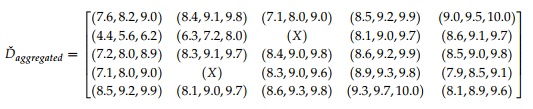 (37)
The mathematical values representing the closeness coefficients illustrated in Figure 6 define the geometric proximity of each separate alternative to the fuzzy positive ideal solution (FPIS) alongside its distance from the fuzzy negative ideal solution (FNIS). Generally, the optimal choice corresponds to the specific alternative that achieves the highest closeness coefficient value. The empirical analysis demonstrates that A5 (personalization of care) emerges as the most preferred strategy among the five options, achieving a closeness coefficient of 0.50 (Figure 6). This reinforces the premise that AI-enabled therapeutic platforms demand a high degree of adaptability to maximize utility, and must be tailored to the precise requirements of individuals undergoing psychiatric care. This represents a highly advantageous attribute of AI-driven mental health technologies, as it can stimulate higher user retention, enhance clinical outcomes, and guarantee that the systems remain personalized to satisfy distinct human needs.
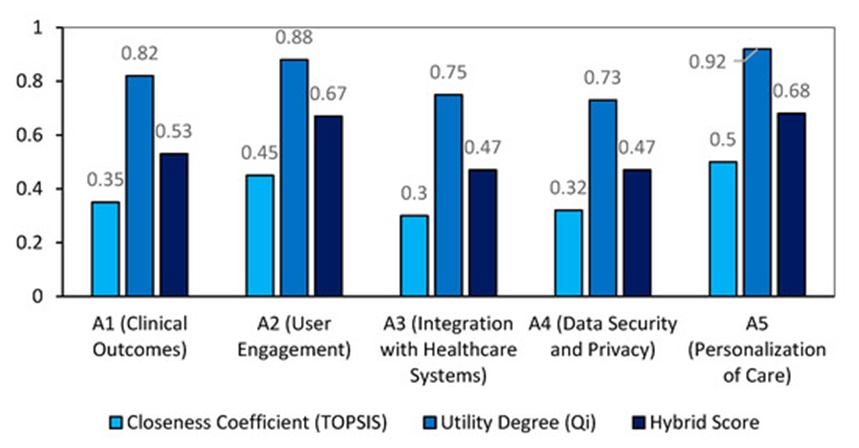
Figure 6. Closeness coefficient, utility degree, and hybrid score for the alternatives.
Alternative A2 (user engagement), yielding a closeness coefficient of 0.45, constitutes the second most optimal choice (Figure 7), indicating that user interaction within AI-enabled psychiatric applications represents a core operational sector demanding strategic focus (Table 3). The more effectively these AI-driven mechanisms can build meaningful configurations with patients, the greater their capacity to support users in maintaining treatment adherence and boosting overall satisfaction metrics. This outcome mirrors the heavy prioritization weight allocated to user satisfaction within the fuzzy AHP phase, reaffirming that patient-centered psychological interventions carry immense significance.
Alternative A1 (clinical outcomes), with a closeness coefficient of 0.35, is positioned third. Although clinical results remain vital for the validation of AI-enabled mental health platforms, securing positive health metrics appears less immediately impactful than providing individualized care and sustaining user involvement. Interestingly, this implies that even though expanding clinical efficacy is essential, specialists may view addressing individual needs and maintaining continuous interaction as more critical drivers of overall program success. A generalized, uniform strategy may prove sub-optimal; rather, adapting therapeutic configurations to diverse personal situations and maintaining open, long-term interaction appears to offer the greatest potential for structural progress.
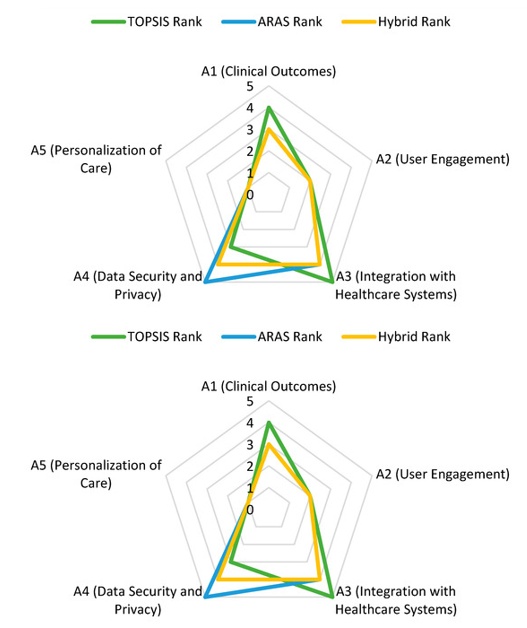
Figure 7. Rank for TOPSIS, ARAS, and hybrid rank methods.
Alternative A3 (integration with healthcare systems) and alternative A4 (data security and privacy) generated the lowest closeness coefficients, calculated at 0.30 and 0.32, respectively. This indicates that the evaluators perceive these dimensions as less critical success factors for determining AI efficacy within psychological care applications. Consequently, these elements are treated as secondary, supporting parameters rather than primary operational drivers. This analytical outcome implies a direct, unmediated interplay between the "user" and the "platform" sustained through customization and systemic involvement. Nevertheless, it must be emphasized that system integration and data privacy retain high institutional importance and must not be neglected, as an improper execution of these components can compromise highly sensitive personal information.
Based on the fuzzy ARAS analysis, A5 (personalization of care) emerged as the optimal alternative, registering the highest utility degree (Qi = 0.92) and a top overall fuzzy performance score (Si = 0.90) (Figure 6). These observations correspond directly with the outcomes derived from the fuzzy TOPSIS technique, where Alternative 5 achieved the shortest distance to the ideal solution, marked by the maximum closeness coefficient. The stable top position of A5 across both mathematical frameworks underscores the critical need to customize mental health interventions to individual user requirements to boost engagement and therapeutic success. Furthermore, A2 (user engagement) secured the second position in both the fuzzy ARAS and fuzzy TOPSIS evaluations, emphasizing the necessity of involving users within digital mental healthcare platforms. Facilitating interactive communication and connectivity within an AI-supported mental healthcare framework directly enhances user therapeutic outcomes. In the fuzzy ARAS framework, A1 (clinical outcomes) achieved the third position with a utility degree of Qi = 0.82, whereas its position dropped slightly within the fuzzy TOPSIS ranking. This variation indicates that although clinical outcomes remain vital, they are positioned directly behind user-focused attributes like personalization and engagement when optimizing AI-powered mental health applications. Conversely, the fuzzy ARAS metrics positioned A3 (integration with healthcare systems) and A4 (data security and privacy) toward the bottom of the rankings, yielding utility degrees of Qi3 = 0.75 and Qi4 = 0.73, respectively. These data imply that while integration capability and data security serve as necessary fundamental components, they are not viewed as primary competitive advantages for the success of AI-enabled mental health platforms. Decision-makers likely treat these parameters as baseline requirements rather than critical drivers compared to personalization, user engagement, and clinical outcomes during the evaluation process.
The outcomes generated from the implementation of fuzzy TOPSIS and fuzzy ARAS exhibited notable discrepancies in how certain alternatives were ranked, highlighting the contrasting conceptual viewpoints of the two mathematical frameworks. Fuzzy TOPSIS emphasizes the geometric proximity of each alternative to the ideal solution across the complete criteria set, focusing on closeness to optimality. Conversely, fuzzy ARAS rates alternatives based on their cumulative performance relative to established criteria, prioritizing total utility rather than distance to a reference point. For instance, A1 (clinical outcomes) was positioned fourth under fuzzy TOPSIS but rose to third via fuzzy ARAS. Similarly, A4 (data security and privacy) achieved a higher placement using TOPSIS, coming in third, but fell to fifth when using ARAS. These variations originate from the fundamental differences in algorithmic logic and priority structures characterizing each method. To resolve these mathematical inconsistencies, a Combined Score methodology was executed using the geometric mean of the normalized data points from both systems. This integration effectively balanced the distinctive analytic perspectives of fuzzy TOPSIS and fuzzy ARAS, merging the emphasis on ideal proximity with cumulative performance metrics.
Within the framework of the suggested hybrid model, the closeness coefficients from the fuzzy TOPSIS and the utility degrees from the fuzzy ARAS undergo normalization via min-max normalization (Eqs. 38 and 39), after which the Geometric mean is deployed to integrate the values (Eq. 40). The alternative presenting the maximum hybrid score is designated as the most ideal choice.
 (38)
 (39)
 (40)
The Combined Score methodology synthesizes these analytical viewpoints, providing an equilibrium that incorporates both proximity-to-ideal (TOPSIS) and cumulative utility (ARAS) computations. A5 (personalization of care) consistently captures the premier rank across all evaluated methods, achieving a Combined Score of 0.68 (Figures 6 and 7), which validates tailored care as the foundational element in AI-enabled mental health applications. This uniformity demonstrates that personalization strongly aligns with both closeness-to-ideal and cumulative utility perspectives.
The finding that A5 (personalization of care) repeatedly obtained the leading rank across both fuzzy TOPSIS and fuzzy ARAS frameworks is corroborated by current academic literature, which highlights the critical value of tailored experiences in digital psychological interventions. A study by Hornstein et al. (2023) [36] demonstrates that custom-tailored strategies—such as user autonomy, clinician selection, and algorithmic rule-based modifications—substantially elevate user compliance, satisfaction rates, and clinical efficacy. These insights imply that customized interventions not only align directly with an optimal reference target (proximity-to-ideal) but also generate compounded benefits across varied performance dimensions, matching aggregate performance viewpoints. In a similar vein, Malik et al. (2022) [37] determined that individuals utilizing AI-driven mental health software demonstrated elevated satisfaction and retention levels when the digital interventions were customized to fit their individual circumstances. Their research indicated that individualized feedback and adaptive coping strategies fostered enhanced user trust and sustained commitment to digital mental health systems. This empirical data reinforces the dual capacity of personalization to optimize both immediate contextual alignment (the core focus of TOPSIS) and cumulative value toward overall system efficacy (the core focus of ARAS).
The third-place positioning of A1 (clinical outcomes) indicates that while generating positive clinical shifts remains a primary objective for AI-supported mental health systems, it is frequently conceptualized as a downstream effect stemming from other foundational variables, such as user engagement and personalization. Domain experts noted that favorable clinical transformations are fundamentally dependent on robust user interaction and customized care delivery, illustrating the deep interdependence among these evaluation criteria. This connection clarifies why clinical outcomes, despite their clear importance, were rated slightly below the more immediate, actionable user-focused parameters. A4 (data security and privacy) secured the fourth position, showing that while data protection frameworks are essential infrastructure for deploying AI health applications, they are generally interpreted as baseline criteria rather than competitive differentiators. Industry experts considered regulatory compliance and privacy architecture as mandatory prerequisites that are nonetheless insufficient on their own to stimulate user adoption or enhance therapeutic success. Correspondingly, A3 (integration with healthcare systems) concluded in fifth place, representing its function as a vital but auxiliary facilitator in the operational ecosystem of AI-driven mental health care. Interoperability with current healthcare networks, including electronic health records (EHRs), was determined to be a technical necessity but possessed less direct influence on immediate user-centric results. Consequently, the integrated hybrid model harmonizes the computational variances between TOPSIS and ARAS, confirming that personalization, user engagement, and clinical outcomes function as primary objectives while respecting the foundational roles played by data security and system integration.
A primary constraint of this research is its dependence on a panel of five experts to assess AI-enabled mental health platforms. Although these specialists were chosen via rigorous criteria based on their deep experience and varied professional environments—encompassing clinical practice, academia, private institutions, and research centers—as well as their expertise in AI and mental health systems, the restricted sample size could narrow the spectrum of viewpoints and introduce potential bias. Nonetheless, the application of fuzzy MCDM techniques helps alleviate these constraints by utilizing linguistic variables mapped to triangular fuzzy numbers to represent specialist assessments. This framework minimizes the effect of subjective variations and bolsters the stability of the consolidated data. Future investigations could benefit from involving a larger and more geographically diverse panel of evaluators to improve the representativeness and transferability of the outcomes. Furthermore, subsequent studies could investigate prospective biases within expert recruitment and their corresponding effects on decision-making results.
Additionally, the selected evaluation criteria, while extensive, might not encompass every variable pertinent to AI-enabled mental health platforms across different settings. For instance, operational performance, cultural adjustment, and financial parameters could impact the viability and success of these systems, particularly within healthcare environments operating under distinct resource limitations.
An additional constraint involves the utilization of a hybrid fuzzy MCDM framework that merges fuzzy TOPSIS and fuzzy ARAS. Although this configuration is successful in balancing ideal-proximity with cumulative performance, the outcomes might fluctuate if alternative decision-making frameworks are utilized, which could influence the stability of the conclusions. Moreover, the consolidation of fuzzy data points to manage incomplete information may diminish the exactness of the final metrics. Lastly, the external validity of these outcomes is constrained, given that regional regulatory frameworks and operational conditions specific to certain healthcare networks may influence the broader transferability of the results. Future inquiries should target these constraints by scaling up the expert sample, analyzing additional parameters, and validating the framework across diverse healthcare settings.
While this research assesses the criteria independently via fuzzy TOPSIS and fuzzy ARAS, it remains vital to recognize the intrinsic interdependencies that exist among these parameters in practical environments. For example, deficient data security and privacy (A4) can compromise user trust, thereby lowering user engagement (A2) and consequently degrading clinical outcomes (A1). In the same manner, inadequate integration with healthcare systems (A3) can restrict the implementation feasibility (C1) and scalability (C3) of the platform. Even though the mathematical frameworks utilized in this research do not dynamically model these interdependencies, acknowledging these connections is vital for a comprehensive understanding of AI-supported mental health systems. Subsequent research could address this gap by utilizing methodologies such as the Analytic Network Process (ANP) or Fuzzy Cognitive Mapping, which are designed to analyze and quantify systemic interactions among diverse criteria.
Although this research utilized fuzzy TOPSIS and fuzzy ARAS to rate AI-enabled mental health platforms, it is recognized that Large Language Models (LLMs) and Generative AI (GenAI) possess capabilities to improve decision-making architectures [38, 39]. LLMs can contribute to multi-criteria decision-making (MCDM) environments, though primarily as auxiliary assets rather than direct substitutes for established MCDM systems like fuzzy TOPSIS or fuzzy ARAS. LLMs excel at translating unstructured datasets, such as textual feedback from specialists or qualitative observations, and are especially useful for extracting criteria, consolidating qualitative assessments, and providing post hoc explanations of metrics [38]. They can likewise be deployed to automate decision-making workflows [40]. Nonetheless, the computational clarity, mathematical precision, and replication capabilities provided by traditional fuzzy MCDM approaches remain indispensable for structured decision analysis. Leveraging the benefits of LLMs, future studies could investigate hybrid systems where LLMs manage qualitative data preparation and final analysis, while fuzzy TOPSIS and fuzzy ARAS execute the quantitative calculations and alternative ordering. This integration could merge the contextual reasoning and adaptive features of LLMs with the mathematical rigor and transparency of fuzzy MCDM frameworks, culminating in a more versatile and comprehensive decision analysis system.
This investigation highlights essential parameters for AI-supported mental health platforms through an integrated MCDM framework combining fuzzy TOPSIS and fuzzy ARAS. Personalization of care consistently proved to be the highest-rated parameter, highlighting the necessity of customized strategies that address distinct user requirements. User engagement was similarly identified as a vital component, demonstrating that actively involving participants drives compliance and therapeutic success. Combined, these outcomes indicate that personalization and user interaction are crucial for AI-enabled mental health platforms, reinforcing that a user-centric design is foundational to successful systems.
Broader implications suggest that developers and managers should prioritize user satisfaction and continuous interaction when building AI mental health platforms. Actionable insights include investing in protected, adaptive AI models that harmonize personalized experiences with ethical compliance. Future investigations should aim to broaden the criteria matrix to encompass variables such as operational efficiency, adaptability to cultural context, and financial sustainability. Furthermore, deploying this MCDM architecture across distinct clinical settings and diversifying the specialist cohort could improve the transferability of the insights and ensure AI interventions are fully optimized.
From an operational standpoint, stakeholders—including clinical providers, regulatory authorities, and software developers—can leverage these insights to engineer AI-driven mental health systems with a deeper focus on customized experiences and user involvement. Personalization, as shown in this research, stands out as the premier criterion because it shapes interventions to distinct patient contexts, thereby strengthening trust, compliance, and clinical success. Executing personalized features demands advanced data analytics infrastructure, continuous user feedback loops, and adaptive AI architectures that can adjust in real time based on user interactions and styles. Likewise, sustaining user engagement depends on building intuitive user interfaces, integrating interactive functionalities, and establishing valuable feedback channels within the AI systems. Engagement models must also account for cultural and demographic variations, guaranteeing accessibility and relevance across varied populations.
The authors acknowledge Olubayo for providing insight about the deployment of the MDCM method for this study.
None
None
This study was conducted in accordance with the principles of the Declaration of Helsinki, and data were handled according to the General Data Protection Regulation.
Informed consent was obtained from all subjects involved in the study.
Open Access The author(s) retain copyright. This article is licensed under the Creative Commons Attribution-NonCommercial-ShareAlike 4.0 International License. It may be shared and adapted for non-commercial purposes with appropriate attribution, an indication of changes, and distribution of adaptations under the same license. Third-party material may be subject to separate terms identified in its credit line. View the license at https://creativecommons.org/licenses/by-nc-sa/4.0/.
 Transparent Intelligence Publishing