The rapid evolution of generative artificial intelligence, most notably large language models like ChatGPT and GPT-4, has unlocked revolutionary opportunities for postgraduate scholarship. This systematic review evaluates how generative artificial intelligence utilities alter the quality, execution speed, ethical standards, and innovative potential of postgraduate inquiries. A thorough literature search was conducted across four major repositories: Google Scholar, Web of Science, IEEE Xplore, and Scopus. Adhering strictly to PRISMA protocols, 20 peer-reviewed articles published between 2019 and 2025 were chosen for detailed investigation based on their direct alignment with postgraduate research settings, explicit use of generative AI applications, and documented outcomes. The synthesis revealed four core dimensions: (i) research productivity and efficiency, where generative AI refines academic composition, data processing, and literature mapping; (ii) cognitive and creative assistance, where AI aids in drafting hypotheses, brainstorming novel concepts, and polishing text; (iii) academic honesty and ethical dilemmas, which highlight vulnerabilities surrounding plagiarism, data fabrication, and over-dependence on machine-generated text; and (iv) capacity shortages and skill evolution, indicating an accelerating necessity for postgraduate scholars to undergo training in AI literacy and ethics. Although these generative AI systems offer significant advantages by broadening access to analytical tools and boosting operational output for postgraduate scholars, this investigation reveals a stark lack of rigorous regulatory oversight and institutional frameworks across most universities. Furthermore, unequal regional access to state-of-the-art AI systems threatens global research equity. The review culminates in a proposal for a customized framework designed for the conscientious integration of GenAI into postgraduate studies, prioritizing institutional governance, human-machine partnerships, and ethical deployment. These insights enrich the ongoing debate regarding the trajectory of AI, offering scholars, investigators, and administrators data-driven strategies to harness AI capabilities while defending academic standards.
The introduction of generative artificial intelligence (GenAI), particularly large language models (LLMs), sparked a massive wave of distribution and adoption for pre-trained generative transformers such as GPT-3, GPT-4, and DeepSeek across academia [1]. To illustrate, Liao et al. [2] conducted a broad survey of 816 validated journal authors to analyze their perspectives on and utilization of LLMs in scientific workflows. The investigation revealed that 81% of those surveyed had woven generative AI tools into various phases of their projects. Similarly, Jung et al. [3] discovered that 75% of research participants at a private R1 university actively deploy LLMs. These percentages highlight the pervasive acceptance and expanding confidence in generative AI utilities among academic investigators.
Large language models are engineered to output human-like prose, programming code, and creative media, thereby supplying students with expanded options for research assistance [4]. These systems can manage massive data sets, formulate coherent text, summarize information, and mirror creative thought. Consequently, they guide postgraduate scholars through every phase of the research lifecycle, from writing initial proposals to drafting and distributing final manuscripts.
It is vital to recognize that the modern embrace of GenAI is built upon decades of ongoing digital transformation within higher education [5]. Earlier baseline transitions from computer-assisted qualitative data analysis (CAQDAS) programs to specialized academic search engines [6] and reference indexing tools laid the groundwork for workflow automation [7]. Investigators like Bayer [8] and Borgman [5] demonstrated the ways in which digital utilities transformed scholarly interactions, joint projects, and knowledge creation. GenAI represents a more advanced phase of this progression, blending computational automation with cognitive mimicry to challenge conventional perceptions of authorship, originality, and epistemic agency.
The adoption of GenAI within academic research is gaining swift momentum, opening new pathways to accelerate methodological innovation, shorten literature review timelines [9], and strengthen analytical reasoning [10, 11]. Additionally, these applications play a crucial role in eliminating language barriers, thereby driving greater inclusivity in global scholarly communication [12]. In spite of these merits, the integration of GenAI introduces several complications within the postgraduate research landscape. Worries regarding academic dishonesty, weakened critical thinking caused by an over-reliance on artificial intelligence [13], and potential biases embedded within machine-generated data have been heavily debated across academic forums [4, 14]. These issues raise fundamental questions regarding the ethical and responsible deployment of generative AI within postgraduate research settings [15].
While numerous recent empirical studies have examined perspectives and usage habits regarding GenAI in academic tasks, a concentrated synthesis of data examining how these utilities impact postgraduate research specifically remains absent. Available reviews frequently emphasize broad education or institutional viewpoints, leaving a gap regarding how GenAI reshapes distinct postgraduate research activities, including problem definition, composition, and ethical choices. Consequently, a targeted review is required to bridge this gap.
This review combines the Arksey and O’Malley methodological framework for scoping studies (Arksey & O’malley, 2005) with the Preferred Reporting Items for Systematic Reviews and Meta-Analyses (PRISMA) protocol [16]. The Arksey and O’Malley framework informed the comprehensive scoping objective of charting the interdisciplinary and rapidly changing nature of GenAI in postgraduate studies, whereas PRISMA provided a structured blueprint to maximize transparency, replicability, and rigor during study identification, screening, and reporting.
The review procedure comprised five interconnected phases derived from the Arksey and O’Malley scoping framework and the PRISMA guidelines. First, the definition of research questions was directed by Arksey and O’Malley’s emphasis on establishing scope, generating four thematic inquiries that analyze the influence of GenAI on research productivity, creativity, ethics, and research capacity. Second, a systematic search was executed across four databases, including Google Scholar, Scopus, Web of Science, and IEEE Xplore, using customized search strings containing terms such as “generative AI,” “postgraduate research,” “LLMs,” and “AI ethics in academia.” This phase was followed by selection and screening procedures executed in two stages according to the PRISMA protocol, commencing with title and abstract screening and concluding with full-text evaluation. The chosen studies were extracted and organized within a structured matrix that captured study design, objectives, outcomes, and principal findings, facilitating a thematic synthesis. Finally, the evidence was collated, summarized, and reported via the Arksey and O’Malley framework, organizing insights into four thematic dimensions that mirror both the conceptual scope and empirical evidence available in current literature.
The investigation was directed by four central research questions:
i. How has generative AI influenced research productivity and efficiency among postgraduate researchers?
ii. In what ways does generative AI assist the cognitive and creative components of postgraduate research?
iii. What ethical and academic integrity dilemmas emerge from the utilization of generative AI in postgraduate research?
iv. What capacity gaps and skill reconfigurations are developing as postgraduate researchers incorporate generative AI into their workflows?
A thorough literature search was conducted across four databases: Google Scholar, Web of Science, IEEE Xplore, and Scopus. The search was executed utilizing a combination of keywords and Boolean operators to guarantee a rigorous and reproducible retrieval process. The specific search string deployed was: (“generative AI” OR “ChatGPT” OR “GPT-4” OR “large language models” OR “AI in research”) AND (“postgraduate research” OR “academic writing” OR “research productivity” OR “AI in academia”) AND (“ethics” OR “integrity” OR “AI applications” OR “research challenges”). The search parameters were confined to peer-reviewed journal articles and conference papers published between 2019 and 2025 to ensure the integration of contemporary studies.
To be included in this synthesis, papers had to satisfy five specific benchmarks: (i) the use of GenAI had to occur strictly within a postgraduate academic setting; (ii) the research had to offer empirical data via thematic analyses or case studies; (iii) the text had to be written in English; (iv) the work had to be featured in peer-reviewed conference volumes or journals; and (v) the publication window was restricted to 2019 through 2025. Evaluating titles and abstracts initially yielded a pool of 61 papers. After conducting a thorough evaluation of the full texts, 20 papers ultimately qualified for final inclusion.
To guarantee that the conclusions drawn in this review rest on valid, dependable, and rigorous evidence, the methodological quality of each chosen paper was rigorously examined. The JBI Critical Appraisal Checklist was selected for this assessment because its adaptable design accommodates a wide variety of research models, including mixed-method, quantitative, and qualitative approaches. Every study was evaluated using the following core criteria:
Study design: The degree to which the methodology was transparent, appropriate, and properly aligned to answer the core research questions effectively.
Sampling and participant selection: The rigor of the inclusion criteria, sampling techniques, and sample sizes, ensuring the cohort was sufficiently representative to support the reported conclusions.
Data collection and measurements: The transparency, validity, and reliability of the data-gathering processes, including the specific tools and mechanisms used to ensure the study's results are reproducible.
Ethical considerations: The adherence to ethical protocols, including obtaining institutional review board approval, securing informed consent from subjects, and protecting participant rights throughout the research process.
Data analysis: The soundness and depth of the analytical techniques used to resolve the research questions, along with the clarity and relevance of the data processing relative to the study's primary aims.
Each paper received an overall quality score based on these metrics. These appraisal outcomes are organized in Table 1 to highlight the comparative strengths and limitations of the literature included in this review. This systematic screening guaranteed that only high-quality data informed the final outcomes of this synthesis. Papers showing major methodological flaws were flagged so their conclusions could be interpreted with appropriate caution, preserving a transparent and systematic standard of evidence.
Table 1. Quality Appraisal of Included Studies
Study | Research Methodology (Q1) | Participant Recruitment and Sample Characteristics (Q2) | Data Gathering and Assessment Focus (Q3) | Ethical Compliance (Q4) | Analytical Rigor (Q5) | Overall Quality Assessment |
English et al. [17] | Survey-based study | 75 doctoral students in the UK | Evaluation of idea development and summarization activities | Yes | Yes | High |
Hoffman [18] | Qualitative case investigation | 11 female master's students | Examination of academic writing, planning processes, and translation tasks | Yes | Partly | Moderate |
Usdan & Chang [19] | Mixed-methods research | 27 postgraduate students | Assessment of effects on writing productivity and academic performance | Yes | Yes | High |
Noy & Zhang [20] | Experimental study | 453 professionals | Analysis of productivity in writing-related activities | Yes | Yes | High |
Chen et al. [21] | Descriptive research | Postgraduate students | Investigation of the role of generative AI in collaborative discussions | Yes | Yes | High |
Puapongsakorn & Brazdeikyte [22] | Pilot investigation | Researchers | Exploration of generative AI use during idea-generation processes | Partly | Yes | Moderate |
Moongela et al. [23] | Experimental research | Postgraduate students | Evaluation of AI-generated prompts in research activities | Yes | Yes | High |
Lee et al. [24] | Survey study | Knowledge workers | Assessment of the influence of AI on critical-thinking capabilities | Yes | Yes | Moderate |
Aytes et al. [25] | Evaluation study | Research proposals | Assessment of the reasoning performance of generative AI systems | Yes | Yes | High |
Athaluri et al. [26] | Experimental investigation | 50 research proposals | Analysis of citation accuracy in AI-generated outputs | Yes | Yes | High |
Cotton et al. [27] | Attitudinal assessment | Students and academic staff | Evaluation of perceptions and attitudes toward AI adoption | Yes | Yes | Moderate |
Kajiwara & Kawabata [28] | Pilot investigation | Postgraduate students | Assessment of digital competencies required for AI utilization | Yes | Yes | Moderate |
Zhai et al. [29] | Competency evaluation | Student skill sets | Examination of proficiency in using AI-based tools | Yes | Yes | High |
Kaplan [30] | Assessment study | Postgraduate curriculum | Evaluation of AI-related training within academic curricula | Yes | Yes | Moderate |
Grande et al. [31] | Observational study | Computing students | Observation of AI tool usage among computing students | Yes | Yes | High |
Bianchini et al. [32] | Assessment study | Institutional access settings | Investigation of inequalities in access to AI technologies | Yes | Yes | Moderate |
Tadimalla & Maher [33] | Policy-development study | Postgraduate education and training | Focus on AI literacy development in postgraduate programs | Yes | Yes | Moderate |
Noy & Zhang [20] | Experimental survey | College-educated professionals | Online experimental evaluation | Yes | Yes | High |
Doshi & Hauser [34] | Randomized online experiment | Academic writers | Web-based experimental investigation | Yes | Yes | Moderate |
Siemens et al. [35] | Conceptual analysis | Postgraduate students | Theoretical and conceptual examination | Yes | Yes | High |
Specific variables were compiled from each selected paper, including: Author(s) and publication year, Study design and methodology, AI tool or model investigated, Study objective(s), Reported primary outcome on research productivity, cognitive and creative support, ethical considerations, and capacity gaps, and Key findings. These extracted characteristics are compiled and organized in Table 2.
Table 2. Summary of the characteristics of the selected studies
Author(s) | Research Design and Methodology | Research Purpose | Main Outcome Measure | Principal Findings |
English et al. [17] | Survey conducted with 75 PhD students in the UK | To investigate the use of GenAI for automating research-related activities | The majority of respondents reported using GenAI for idea development and content summarization | GenAI enhanced research efficiency and allowed more time for creative and higher-level tasks |
Hoffman [18] | Qualitative case study involving 11 female master’s students | To explore the applications, advantages, and challenges of GenAI | GenAI supported academic writing, planning, and translation activities | Successful use depended largely on users’ engagement levels and critical evaluation abilities |
Usdan & Chang [19] | Mixed-methods study involving 27 postgraduate students | To evaluate the influence of GenAI on writing performance and academic achievement | Academic grades improved from B+ to A, while writing time decreased by 64.5% | Positive effects were observed for both ESL learners and native English-speaking students |
Noy & Zhang [20] | Experimental study with 453 professionals | To assess productivity gains associated with ChatGPT in writing tasks | Tasks were completed 40% faster, with an 18% improvement in output quality | Significant improvements in both productivity and quality were reported |
Chen et al. [21] | Descriptive qualitative study examining postgraduate group discussions | To investigate the contribution of GenAI to collaborative idea generation | AI was used to simulate and generate ideas during peer-review discussions | Creativity was enhanced when AI complemented, rather than replaced, human intelligence |
Puapongsakorn & Brazdeikyte [22] | Pilot investigation of researchers using GenAI during ideation | To explore the role of AI in idea generation and sensemaking | Researchers generated a wider range of perspectives with AI support | AI contributed structured approaches that enhanced creative thinking |
Moongela et al. [23] | Experimental study examining AI-generated prompts in research | To analyze the effect of GenAI on divergent thinking | Prompt-based assistance sometimes led to fixation effects that reduced originality | Strong critical-thinking skills were deemed necessary to prevent excessive reliance on GenAI |
Lee et al. [24] | Survey of knowledge workers | To assess the impact of GenAI on critical-thinking processes | Participants frequently depended on AI while exerting less cognitive effort | Findings highlighted risks related to cognitive offloading and overconfidence |
Aytes et al. [25] | Evaluation of theoretical research concepts and proposals | To improve the reasoning capabilities of GenAI systems | Structured reasoning enhanced focus and analytical performance | Effective outcomes were achieved when AI-generated insights were balanced with human research objectives |
Athaluri et al. [26] | Experimental development of 50 research proposals using ChatGPT | To examine citation accuracy in AI-generated scholarly content | 30% of references contained incorrect DOIs, while 16% were fabricated references | The results demonstrated limited reliability of AI-generated citations |
Cotton et al. [27] | Assessment of attitudes among students and staff in higher education institutions | To evaluate perceptions of AI and identify policy deficiencies | Participants reported insufficient guidance regarding acceptable AI use | The study emphasized the urgent need for clear institutional policies governing ethical AI use |
Kajiwara & Kawabata [28] | Pilot study involving postgraduate students and their AI-related digital competencies | To promote ethical literacy in AI adoption | Prompt-engineering and citation-training initiatives were recommended | Institutions should implement AI literacy programs to support responsible use |
Zhai et al. [29] | Evaluation of students’ competence in utilizing AI tools | To assess students’ ability to use AI independently | Independent AI use was associated with weaker critical-thinking performance | Appropriate supervision and guidance are necessary to maintain academic rigor |
Kaplan [30] | Review of postgraduate curricula | To evaluate the integration of AI education into academic programs | Only 28% of curricula included formal GenAI instruction | The study recommended revising postgraduate curricula to incorporate ethical AI education modules |
Grande et al. [31] | Observational study of computing students using AI technologies | To examine the role of supervisors in guiding AI use | Supervisors actively supported ethical and responsible use of GenAI tools | Instructor involvement was identified as a key factor in effective AI adoption |
Bianchini et al. [32] | Assessment of institutional and regional disparities in access to AI technologies | To investigate inequalities in access to GenAI tools | Restricted access among certain populations negatively affected research productivity | The digital divide was found to limit opportunities for engagement with AI technologies |
Tadimalla & Maher [33] | Policy-oriented proposal for AI integration in postgraduate education | To advance AI literacy within postgraduate training programs | Recommended ethics-focused modules and dedicated AI resource centers | A comprehensive, multi-level strategy for AI integration was advocated |
Noy & Zhang [20] | Randomized controlled online experiment involving 444 college-educated professionals | To determine the causal effects of ChatGPT on writing productivity, task structure, inequality, and worker perceptions | Productivity indicators included quality-adjusted output per unit time and subjective measures such as satisfaction | ChatGPT reduced task completion time by 37% and improved output quality by 0.45. Additionally, 68% of treated participants submitted ChatGPT-generated text without modification, indicating a tendency toward substitution rather than human–AI collaboration |
Doshi & Hauser [34] | Preregistered two-phase randomized online experiment involving 293 writers and 600 evaluators | To evaluate the causal impact of generative AI on creativity, measured through novelty and usefulness of written stories | Creativity metrics, emotional characteristics, and content similarity were assessed | GenAI increased individual creativity, yielding up to 11.5% improvement in usefulness among less creative writers; however, generated stories became more similar, reducing overall diversity of content |
Siemens et al. [35] | Conceptual analysis grounded in post-digital and cognitive-science perspectives | To examine the interaction between human cognition and artificial intelligence and its implications for education and knowledge creation | Developed a theoretical framework positioning AI as both a cognitive collaborator and a source of epistemic uncertainty | AI has the potential to augment human cognition while simultaneously challenging established educational norms and traditional notions of authorship |
The progression of document retrieval, screening, exclusion, and final study selection is mapped out in Figure 1.
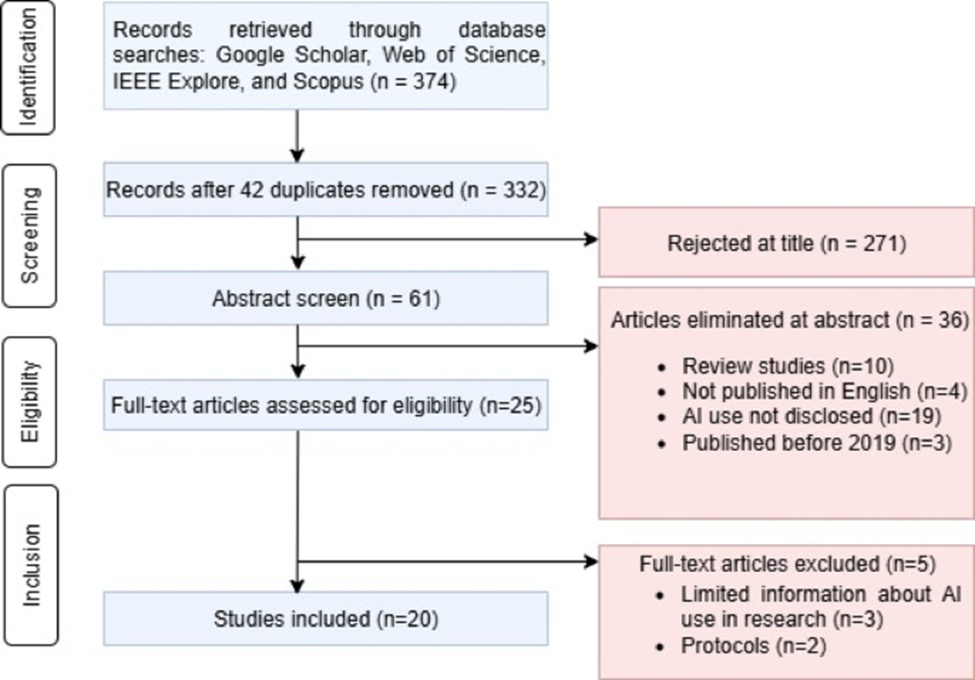
Figure 1. PRISMA flow diagram for the selected studies
The literature synthesis highlighted four primary areas of impact:
English et al. [17] provided critical insights into how GenAI utilities are reshaping the postgraduate landscape in the United Kingdom. Their survey of 75 doctoral researchers across 19 UK higher education institutions revealed that the vast majority of participants were already leveraging applications like ChatGPT to handle routine tasks, such as conceptualizing ideas, searching literature, condensing text, and writing code. Researchers viewed these tools as highly effective labor-saving devices that freed up time for more complex creative and analytical processes [20].
Similarly, Hoffman [18] utilized a qualitative case study model with 11 female master's students to evaluate their interaction with GenAI, its perceived benefits, and the obstacles encountered during use. By reviewing personal interviews alongside ChatGPT log data from the university network, the study demonstrated that GenAI optimized student output in academic composition, creative planning, and language translation. However, the author emphasized that the actual benefits realized depend heavily on how deeply the student engages with the tool and their capacity for critical evaluation.
In a mixed-methods investigation involving 27 postgraduate students, Usdan & Chang [19] analyzed the relationship between GenAI-mediated writing, student efficiency, and assignment grades. Their data indicated that both native English speakers and ESL students experienced notable improvements, with average grades rising from a B+ to an A, while the total time spent writing plummeted by 64.5%.
Noy and Zhang [20] set up an experimental trial evaluating ChatGPT's impact on efficiency among 453 college-educated professionals completing specialized writing assignments. Subjects were randomly split into a control group working without the AI and a treatment group using ChatGPT. The findings demonstrated massive efficiency improvements for the AI users, who finished their assignments 40% faster than the control group while achieving an 18% improvement in output quality.
The experimental data from Noy & Zhang [20] offer strong empirical proof that generative AI tools—most notably ChatGPT—can substantially accelerate output and elevate quality during professional writing tasks that mirror the scholarly demands placed on postgraduate researchers. In their trial, ChatGPT users finished tasks 37% faster and generated material scored 0.45 standard deviations higher in quality than those working without AI support. While this trial centered on college-educated professionals doing mid-level writing rather than postgraduate students specifically, the demographic profile and required competencies match the academic level of advanced students. These time-saving and quality-enhancing benefits indicate that using GenAI within an academic setting can streamline tasks like drafting literature reviews, shaping research statements, and generating reports, thereby boosting macro-level research output.
Viewed together, these investigations demonstrate that GenAI platforms play a powerful role in optimizing efficiency and output for both advanced students and professionals. The primary benefits documented across the literature include accelerated workflows, higher-quality research outputs, and improved academic marks. These positive results occur primarily when GenAI is deliberately woven into the research pipeline. However, these efficiency gains require deep human oversight, critical thinking, and ethical execution to ensure that artificial intelligence acts as a tool to enhance, rather than replace, a researcher’s personal intellectual rigor.
A variety of papers have mapped out how GenAI tools are deployed across the different stages of postgraduate workflows to spark creativity and boost output. This section highlights recent studies exploring AI applications within the domain of cognitive and creative support.
Chen et al. [21] investigated the utility of GenAI for conceptual design tasks. Their findings indicated that many scholars use these models during the earliest stages of a project to define problems and brainstorm ideas, allowing them to survey a much broader range of concepts and methodologies. Even so, the authors stress that human oversight remains critical to ensure the generated concepts stay aligned with project goals and ethical constraints.
In the area of joint ideation, Chang & Li [36] analyzed how LLMs can be integrated into group brainstorming sessions. Their data show that GenAI tools can significantly improve the quality of brain-writing notes generated during peer interactions. This demonstrates that AI can effectively inspire novel concepts, provided the technology is used to augment human input rather than substitute for it.
Puapongsakorn & Brazdeikyte [22] explored the feasibility of using AI systems as auxiliary tools for ideation, sensemaking, and scientific creativity. They determined that this integration is highly practical, offering structured frameworks that help researchers develop ideas and access unique analytical viewpoints that traditional methods alone might miss.
However, the integration of GenAI into creative and cognitive research processes has also drawn criticism. Moongela et al. [23] analyzed how AI-generated prompts influence design fixation and divergent thinking. Their findings warned that while GenAI provides excellent creative inspiration, users face a real risk of becoming overly dependent on AI suggestions, which can ultimately stifle the originality of their ideas. This highlights the need for critical engagement with AI outputs to protect independent human creativity.
In a broader study, Lee et al. [24] surveyed knowledge workers to determine how GenAI impacts critical thinking. The data indicate that while AI models accelerate information processing, they can also encourage reduced mental effort and cause users to become overconfident in AI-generated data. Consequently, the study stressed the vital importance of training users in critical thinking alongside AI adoption.
To address these cognitive challenges, Aytes et al. [25] introduced the “Sketch-of-Thought” framework, combining cognitive reasoning paradigms with linguistic constraints to improve the reasoning capacity of LLMs. This approach balances the depth of AI insights with the need for concise, relevant output, helping researchers maintain clarity and focus in their work.
Noy & Zhang [20] noted a distinct shift in how users allocate their time when using ChatGPT, showing a sharp decline in hours spent on rough drafts and a pivot toward ideation and editing. This shows that GenAI functions as a cognitive helper by offloading the initial mechanics of writing, allowing researchers to focus on refining content and critically evaluating the results. Although the tool primarily replaced human effort rather than acting as a collaborative creative partner in this specific study, the efficiency gained during routine drafting frees up mental bandwidth for deeper analysis. Postgraduate researchers can leverage this newfound capacity to experiment with writing styles, untangle complex arguments, and aid ideation, supporting both creative and cognitive functions in the process.
Doshi & Hauser [34] ran a randomized online experiment with 293 academic writers and 600 evaluators to measure the causal impact of generative AI on creativity, using the novelty and utility of written stories as metrics. Their data revealed that AI can boost individual creativity by providing conceptual prompts that serve as "springboards," particularly for individuals with lower baseline creativity. However, because the study focused entirely on micro-fiction writing, its direct application to academic research should be interpreted carefully.
Siemens et al. [35] explored the concept of networked and distributed cognition, where AI systems actively participate in creating meaning. They argue that this shifts academic creativity away from an isolated human effort toward a hybrid process combining algorithmic prompts with human interpretation. While GenAI can inspire new angles of inquiry or reframe research problems—which is highly valuable for forming hypotheses—it also challenges the historical definition of creativity as an exclusively human trait.
In short, these studies reveal a complex, multi-tiered role for GenAI in supporting the creative and cognitive demands of postgraduate research. While these tools offer undeniable value for brainstorming and concept development, researchers must maintain a highly critical mindset to ensure that human intelligence and originality remain at the center of the research process.
The intensifying incorporation of GenAI tools into the research pipeline has drawn substantial scholarly focus toward emerging ethical dilemmas and threats to academic honesty. While diverse challenges have been recorded, current publications consistently emphasize three primary risks linked to AI-mediated authorship: computational hallucination, text plagiarism, and the generation of fraudulent citations.
Because GenAI systems generate material by training on open-access internet data, the resulting prose often closely mirrors the primary source materials [37]. If authors publish this content without evaluating it for potential plagiarism or failing to provide appropriate source attribution, serious complications regarding copyright violations and intellectual theft can materialize [4].
When responding to user prompts, GenAI applications can formulate highly persuasive yet completely factually erroneous, illogical, or fabricated claims—a phenomenon termed AI hallucination [38, 39]. It is critical to recognize that GenAI models are not engineered to verify the legitimacy or veracity of information; instead, they are optimized to forecast subsequent text strings based on statistical probabilities [4]. Consequently, they remain highly susceptible to producing invented data to satisfy user requests, thereby propagating misinformation.
The production of fraudulent source materials represents another major point of vulnerability. An investigative study by Bhattacharyya et al. [40] demonstrated that references generated via ChatGPT are predominantly fabricated, with a mere 7% of the citations proving authentic. Furthermore, AI applications frequently replicate or intensify the prejudices embedded within their training datasets. To illustrate, Athaluri et al. [26] utilized ChatGPT to draft 50 research protocols; the resulting data revealed that 38% of the referenced literature contained inaccurate DOIs, while 16% of the citations were entirely non-existent.
An inquiry by Cotton et al. [27] tracking the perspectives of higher education faculty and students toward AI-assisted writing exposes further vulnerabilities. The absence of synchronized institutional policies detailing what constitutes permissible AI utilization stands out as a primary concern in their analysis. Their synthesis concludes by emphasizing the pressing obligation for universities to establish localized, context-specific guidelines that explicitly outline the ethical and conscientious deployment of AI within instructional and research operations.
Birhane [41] warned against the algorithmic prejudices coded into LLMs, which risk reinforcing systemic inequalities and harmful assumptions within academic literature. The author asserted that because these biases are frequently imperceptible to end-users, deliberate audits and systemic controls are vital. Furthermore, Kajiwara & Kawabata [28] highlighted the necessity of AI literacy in reducing these ethical exposures. They recommended that universities establish compulsory instructional programs centered on prompt formulation, responsible citation methods, and the critical assessment of AI-generated research outputs.
Noy & Zhang [20] set up an experimental trial to evaluate the causal impact of ChatGPT on professional composition efficiency, workflow organization, output variance, and worker attitudes. Their data exposed a widespread tendency to accept ChatGPT text without subsequent human editing; specifically, 68% of the 222 participants granted access to ChatGPT submitted machine-generated prose completely unaltered. These trends introduce significant problems for academic honesty. Unacknowledged deployment of GenAI can result in plagiarism, an over-reliance on unverified data, and the devaluation of original human scholarship. The blurred boundaries separating computational assistance from actual authorship underscore the need for definitive academic regulations and training regarding the ethical management of these systems [42]. Additionally, the trial reported that exposure to ChatGPT heightened participant anxieties regarding automation, signaling a growing awareness of broader ethical challenges, such as workforce displacement and systemic fairness.
Viewed collectively, these investigations reflect an academic consensus that the ethical and integrity challenges surrounding GenAI in postgraduate education are not merely isolated technical flaws. Instead, they are deeply rooted in institutional cultures, regulatory policies, and the wider educational environment. Resolving these complications consequently demands a multi-tiered strategy incorporating ethical training, transparent policy structures, and active human supervision.
A large number of postgraduate scholars accept AI-generated output uncritically because they lack the analytical skills required to judge its accuracy and quality. Multiple investigations have highlighted this issue. For instance, Zhai et al. [29] noted that many students embed AI into their research workflows without structured mentoring, a trend argued to be a primary catalyst for declining critical thinking skills, which risks eroding academic rigor. Similarly, Kaplan [30] discovered that a mere 28% of postgraduate curricula offer formal training on the ethical deployment of AI applications, despite the explosive growth of these tools in empirical research.
Scholarship also underscores the vital role that research supervisors play in encouraging ethical AI usage. For example, Grande et al. [31] executed a study where computing students analyzed LLMs to evaluate their moral application. The outcomes proved that faculty members were instrumental in helping students critique AI-generated content and apply automated tools responsibly during ethical decision-making.
Varying institutional and geographic access to premium GenAI platforms represents another major capacity bottleneck that creates imbalances in research opportunities. Bianchini et al. [32] observed that investigators working in developing or financially constrained regions frequently depend on obsolete or stripped-down, free-tier versions of AI applications, assuming they have access at all. This digital divide slows research output and prevents exposure to developing methodologies and international scholarly standards.
The experimental outcomes published by Noy & Zhang [20] suggest that GenAI systems like ChatGPT may offer a disproportionate advantage to individuals with weaker baseline writing skills, thereby narrowing productivity gaps. However, the lack of definitive scientific proof regarding skill-based variations in AI utility also points to a broader democratization of the competencies landscape. For postgraduate scholars, this highlights a demand for training that moves beyond elementary tool mechanics toward advanced AI literacy. This includes mastering prompt engineering, critically appraising machine-generated text, and synthesizing AI outputs into rigorous scientific arguments. The study also stresses the vital need to cultivate reflective AI usage, ensuring scholars can deploy these tools responsibly and productively within their specific fields.
To bridge these capacity and capability deficits, Tadimalla & Maher [33] call for the systematic incorporation of AI-specific competencies into postgraduate curricula. Proposed interventions include embedding ethical modules directly into research methodology courses, hosting cross-disciplinary seminars on responsible AI usage, and funding institutional support networks like peer mentoring initiatives or dedicated AI resource hubs. Executing these changes requires synchronized planning across institutional administrative, instructional, and policy sectors. This capacity enhancement aims to protect academic honesty while simultaneously driving individual student success and fostering inclusivity in global research.
Synthesizing the insights compiled in this literature review, and informed by sociotechnical systems theory [43], postdigital education paradigms [44], and digital labor studies [45], this framework (illustrated in Figure 2) offers a structured, adaptable model for the conscientious deployment of GenAI within postgraduate scholarship. The architecture is organized around three codependent cornerstones: Institutional Oversight, Human-AI Collaboration, and Ethical Use. By anchoring these three dimensions, the model acknowledges that computational tools do not function in a vacuum; rather, they are structural components of broader sociotechnical frameworks that dictate research ownership, educational benchmarks, and daily academic practices.
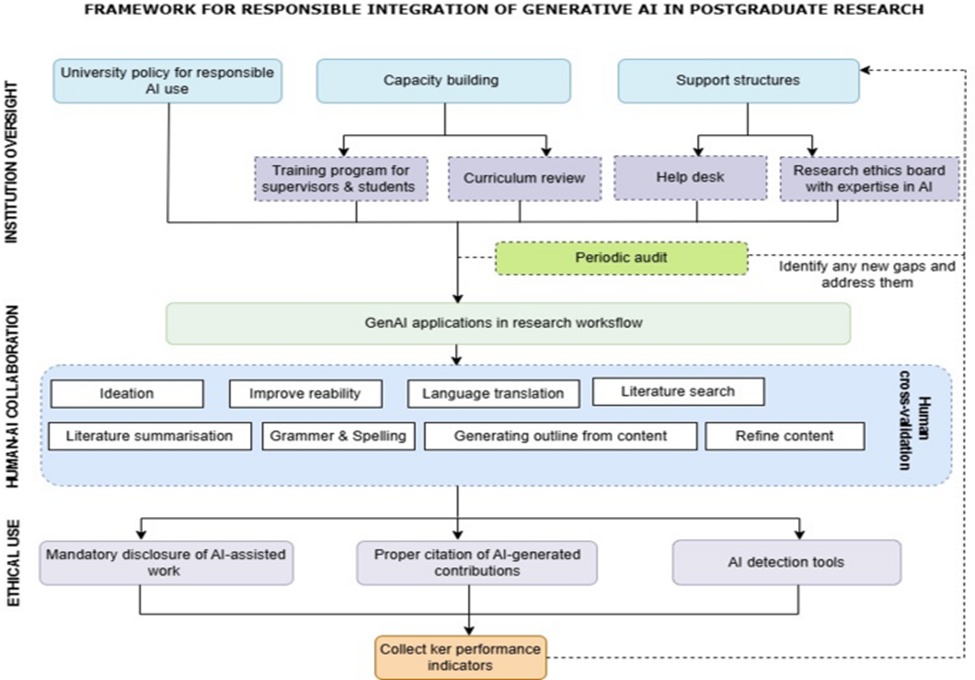
Figure 2. Framework for integration of GenAI in postgraduate research
Sociotechnical systems theory (STS) asserts that the most effective outcomes in intricate organizational environments are achieved by simultaneously designing social dynamics alongside technical components [46, 47]. When mapping this to the adoption of GenAI, the theory highlights a critical requirement: institutions must sync their structural policies, educational initiatives, support systems, and curricular updates with emerging computational capabilities.
The framework’s institutional oversight layer puts STS into practice by prioritizing capacity enhancement, administrative policy creation, and continuous auditing. This approach explicitly recognizes that AI integration must be tethered to human-centric governance and feedback loops. For example, introducing technical assistance centers and ethics boards staffed by AI-literate professionals demonstrates how STS emphasizes the mutual co-shaping of human responsibilities and technical capabilities [48].
This governance pipeline starts with drafting an explicit, university-wide policy that marks the boundaries and rules for permissible use, establishing a clear baseline for ethical actions and accountable technology adoption. Capacity enhancement serves as a foundational pillar. This requires building specialized training tracks for both graduate students and faculty advisors so they can successfully manage changing AI-driven workflows. It also requires thorough curriculum overhauls to embed AI literacy modules directly into core research methodology coursework. To offer continuous guidance, essential structural support systems must be operationalized. These include technical help desks to deliver real-time ethical and functional advice, alongside research ethics boards equipped with specialized knowledge in GenAI systems. Critically, these bodies are subject to routine audits to systematically monitor AI practices across research pipelines, enabling universities to isolate operational vulnerabilities and execute necessary iterative corrections.
Postdigital pedagogy delivers a sophisticated understanding of how digital architectures, such as AI, intertwine with human learning behaviors to reshape the traditional boundaries separating analog work from digital processes, and automation from human thought [49, 50]. This theoretical perspective guides the Human-AI Collaboration pillar of the framework by positioning AI as an active participant in academic inquiry rather than a wholesale replacement for human ingenuity. Activities like brainstorming, summarizing literature, and polishing language are never fully surrendered to machines; instead, they are transformed into hybrid cognitive workflows where independent critical thinking and computational assistance interact in an iterative loop. Postdigital pedagogy also underscores the vital necessity of human verification, ensuring that machine outputs are constantly evaluated, questioned, and refined using reflective scholarly judgment [51]. By adopting this approach, the framework fulfills the pedagogical obligation to protect student agency, epistemological integrity, and conversational knowledge building in an era of pervasive AI.
The Digital Labor Studies framework critically analyzes the underlying conditions under which digital materials are created, the commercialization of intellectual output, and the increasingly fuzzy line dividing human authorship from algorithmic automation [52]. This theoretical foundation forms the core of the Ethical Use pillar, which mandates that researchers openly disclose any AI-assisted contributions. This guarantees they clearly communicate both the exact scale and the specific nature of AI's involvement in their projects. It also requires rigorous citation habits to ensure machine-generated material is correctly acknowledged and attributed, alongside the deployment of AI detection utilities to help universities and scholars identify the presence of automated text, thereby minimizing unacknowledged or reckless use. To complete the feedback loop, the framework integrates the systematic tracking of key performance indicators (KPIs) to monitor policy compliance and judge how AI adoption alters overall research quality and outputs. These steps directly confront the ethical dilemmas triggered by automated text generation in academia, specifically the risk of misattributing intellectual labor [53].
While this proposed model provides a strategic blueprint for the conscientious adoption of GenAI in graduate research, its real-world success relies heavily on structural flexibility—particularly for universities managing limited infrastructure, unequal digital access, or underdeveloped regulatory systems. Consequently, the following practical strategies are advanced to overcome execution hurdles:
Phased Roll-Out: Deploying a staged strategy allows an institution to introduce GenAI into graduate workflows in a gradual, controlled manner. Phase 1 targets initial awareness and baseline digital competencies. This is achieved by launching informational campaigns and weaving fundamental AI literacy into existing workshops—steps that can be taken even without sophisticated infrastructure. Phase 2 involves running small-scale pilot programs using GenAI tools within selected graduate departments. These initial pilots must be governed by clear ethical protocols and monitored continuously to evaluate both benefits and structural challenges. Using the lessons learned from these trials, the institution can then advance to Phase 3, which involves ratifying formal institutional policies, setting up an ethics board with AI expertise, and fully embedding AI literacy into the standard research curriculum. This method reflects organizational learning theory [54], which dictates that institutions facing uncertain environments should opt for incremental modifications driven by experimental data [55].
Leveraging Open-Source and Freemium Tools: Universities working with restricted budgets can harness open-access or low-cost GenAI utilities. Examples include the free tier of OpenAI’s ChatGPT, Hugging Face models, or BLOOMZ for ideation and writing assistance; Zotero and Connected Papers for mapping literature; and the basic version of Grammarly for textual refinement. This strategy aligns with the core principles of open educational resources (OER) and digital inclusion [56], helping to balance the playing field for under-funded institutions [57].
Partnership Models: Institutions that lack internal AI proficiency can forge strategic alliances with external universities, technology incubators, or non-governmental organizations focusing on digital transformation. For instance, they can collaborate with AI research hubs to co-develop instructional workshops or apply for international grants that fund ethical AI integration in higher education (such as those sponsored by UNESCO).
Mobile-First and Offline-Enabled Platforms: In areas where internet connectivity is unstable or restricted, mobile-first designs and offline-compatible educational tools like Kolibri and MoodleBox can serve as practical distribution channels for AI training and collaboration. This tactic is especially useful for remote or rural campuses and matches appropriate technology principles [58], which favor solutions customized to local resource limitations.
Minimalist Ethical Oversight Models: For schools that lack formal research ethics boards or large administrative structures, a smaller faculty-level oversight committee trained in GenAI ethics can step in to temporarily manage governance roles. Alternatively, institutions can adapt open-source ethical toolkits, such as the Montreal AI Ethics Guidelines or the UNESCO AI Ethics Framework, to draft their local rules. This approach secures minimum ethical protection without creating heavy bureaucratic delays, maintaining administrative agility and responsiveness.
This systematic review has explored how GenAI influences graduate-level scholarship by evaluating four core areas: research productivity, creative and cognitive support, ethical dilemmas, and capacity deficits. The compiled evidence underscores the massive potential of GenAI utilities, such as large language models, to boost efficiency, aid brainstorming, and expand inclusivity within academic workflows. These systems also offer a highly streamlined approach to mapping literature, which enhances overall writing quality and aids conceptual development—providing real value to graduate researchers when deployed responsibly.
Conversely, the review highlighted critical challenges tied to academic integrity, including machine hallucination, text plagiarism, fraudulent citation generation, and the potential decline of critical thinking skills due to over-reliance. Furthermore, low levels of AI literacy, missing institutional guidelines, and unequal access to advanced GenAI systems present major obstacles to protecting academic honesty during this wave of AI adoption.
To contextualize these findings within the wider academic environment, this review acknowledges current debates over how technologies like GenAI are altering education and scholarship. Generative AI is not merely a passive tool; it actively shapes how we process information and learn, frequently blurring the line between human intellect and algorithmic output. While it can make research tasks far more efficient, it also introduces structural risks, such as devaluing human academic effort and encouraging a dependency on automated suggestions for original concepts. These challenges point to a fundamental shift in knowledge production, where students risk leaning too heavily on automated tools, thereby losing vital opportunities to think deeply and build independent knowledge.
To mitigate these challenges, this paper introduces a three-pillar framework for the responsible adoption of GenAI in graduate research, anchored on institutional oversight, human-AI collaboration, and ethical use. The proposed model highlights the urgent need to integrate AI literacy directly into standard teaching curricula, strengthen personal researcher accountability, and draft institutional policies that guarantee fairness, transparency, and academic rigor. In short, maximizing the benefits of Generative AI while avoiding its hidden hazards requires more than just knowing how to operate the tools; it demands a deeper comprehension of how they function and impact scholarship. The real challenge is to build an academic culture where AI is utilized deliberately—not as an intellectual shortcut, but as a helpful collaborative partner guided by strong ethical values, clear teaching goals, and cohesive university policies.
None
None
None
None
Open Access The author(s) retain copyright. This article is licensed under the Creative Commons Attribution-NonCommercial-ShareAlike 4.0 International License. It may be shared and adapted for non-commercial purposes with appropriate attribution, an indication of changes, and distribution of adaptations under the same license. Third-party material may be subject to separate terms identified in its credit line. View the license at https://creativecommons.org/licenses/by-nc-sa/4.0/.
 Transparent Intelligence Publishing