The medical industry in India has undergone substantial evolution driven by progress in technology and infrastructure. Yet, prominent hurdles remain when addressing critical problems like inadequate medical infrastructure for the nation's massive population, restricted accessibility, a deficit of qualified practitioners, and high-quality services. Artificial intelligence (AI)-based interventions offer the possibility to ease the burden on the Indian medical network; nevertheless, incorporating reliable AI into this domain is still obstructed by moral and legal barriers. The objective of this research is to critically analyze the contemporary state of AI system engineering in Indian medical care and its alignment with the moral and legal dimensions of AI, while also pinpointing the obstacles and prospects for implementing reliable AI within the Indian medical domain. This investigation assessed 15 papers chosen from an initial pool of 1136 papers collected across two digital databases, PubMed and Google Scholar, alongside project sites. This inquiry utilizes the Preferred Reporting Items for Systematic Reviews and Meta-Analyses Extension for Scoping Reviews (PRISMA-ScR). The findings indicate that current publications primarily deployed traditional machine learning (ML) models and artificial neural networks (ANNs) for diverse operations, including drug discovery, disease monitoring networks, early sickness identification and diagnostic precision, and medical resource administration in India. This analysis uncovers a deficiency in the integration of reliable AI within Indian medical care and various obstructions linked to it. It examines pathways for engineering reliable AI within Indian medical environments, prioritizing patient protection, information confidentiality, and adherence to moral and statutory criteria.
Artificial intelligence systems denote computational frameworks utilizing machine learning methodologies to function either autonomously or with human guidance. These architectures ingest data as input, decipher human-specified objectives, and subsequently apply statistical and mathematical methodologies to generate choices, guidance, or forecasts that impact digital or physical environments [1]. Trustworthy artificial intelligence (AI) [2] signifies AI frameworks that are engineered and managed with a focus on dependability, morality, and human principles. In accordance with the study by the Independent High-Level Expert Group on Artificial Intelligence [3, 4] from the European Union, this encompasses ethics, legality, and resilience that respect human self-determination, liberties, and honor without undermining or inequitably impacting individual confidentiality [5].
Trustworthy AI represents a structure of tenets and actions designed to guarantee the safety, equity, transparency, and public utility of AI systems, as illustrated in Figure 1. There are extensive utilities for AI in the medical sector; nonetheless, if AI instruments and systems are deployed in this arena without addressing elements like explainability, transparency, information confidentiality, and fairness or equal treatment for all users, substantial negative impacts may arise.
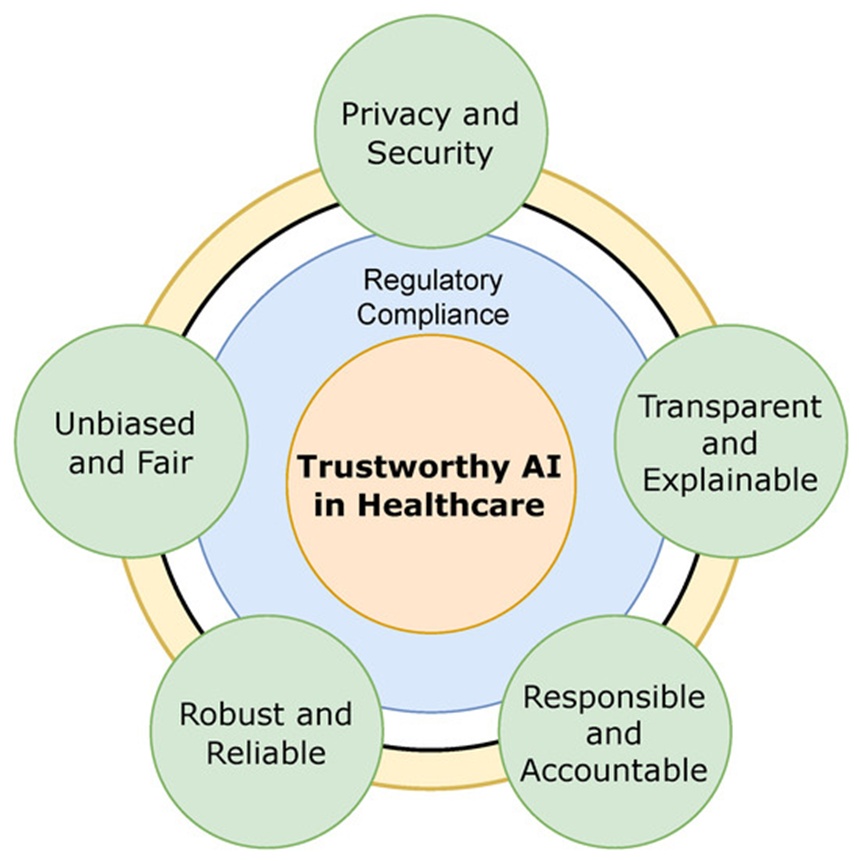
Figure 1. Framework of trustworthy AI in healthcare.
The adoption and deployment of AI systems has been augmenting the importance of medical frameworks for several years, given that they refine distinct facets of diagnostics, clinical trials, and patient management, including medical robotics, thereby optimizing the entire workflow within medicine for clinicians, medical staff, and patients. One such domain is clinical imaging, where AI models assist diagnosticians in attempting to detect malignancies at an early stage [6, 7], which is frequently unattainable through traditional early testing alone. Furthermore, AI-centered frameworks are built to forecast disease resurgences [8, 9] and create risk classification models for patients.
In general, AI technology is being adopted to optimize therapy scheduling and clinical choices in congenital heart conditions [10], telemedicine [11] for long-distance checkups, health tracking [12], and the real-time supervision of chronic illnesses such as diabetes [13] or hypertension [14]. This proves notably advantageous in isolated locales and developing regions suffering from a deficit of medical experts. Beyond direct patient management, the deployment of AI serves as a revolutionary factor in the realm of drug discovery [15], minimizing the duration required to deliver sophisticated therapies to individuals by cost-effectively forecasting the performance of new compounds and their cross-reactivity. Additionally, it optimizes the administration of clinical facilities by refining managerial operations, worker and bed scheduling, and logistics management [16].
Paralleling numerous other developing economies, India is dedicated to the advancement and integration of artificial intelligence within medicine. As depicted in Figure 2, there is an escalating pattern in the deployment of AI within the medical sector [17]. The artificial intelligence (AI) marketplace in India was valued at approximately USD 374.7 million in 2023. This valuation is projected to expand heavily to roughly USD 6.9 billion by 2032. This pattern highlights the intensifying focus on exploration and advancements in AI-centered utilities within the Indian medical domain.
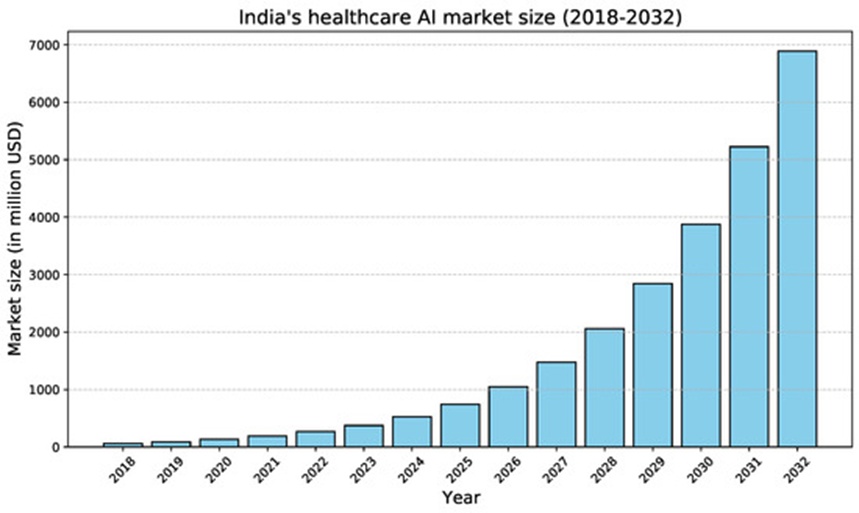
Figure 2. Market size of AI in Indian healthcare (2015–2032 as reported in Statista [17]).
India possesses an approximated population of 1.428 billion citizens and represents the world's sixth largest nation with a geographic footprint of 3,287,263 square kilometers. The Indian administration does not govern the entirety of the medical framework. In practice, private entities operate in coordination with the governmental sector to address the intricate requirements of a multi-faceted population seeking high-quality medical infrastructure. Certain primary hurdles confronting the Indian medical sector, as underscored by the WHO, encompass a shortage of certified medical experts and facilities, disproportionate regional availability of medical services, the financial unaffordability of medical options predominantly for rural residents, and a deficit of public comprehension regarding vital medical operations, preventative measures, and therapy paths. The deployment of artificial intelligence (AI), alongside machine learning (ML), robotics, sensor architectures, and the Internet of Medical Things (IoMT), possesses vast capacity to yield a more substantial footprint on the Indian medical sector, with substantial validation backing this prospect. AI-driven technical options have resulted in more enlightened choice-making and customized diagnostics [18] and therapies that account for genetic, ecological, and behavioral elements. Notably, there is expanding proof regarding the advantages of technical breakthroughs, particularly artificial intelligence, within medical frameworks in both advanced economic systems and low- and middle-income nations [19].
Amidst the COVID-19 crisis [20], the Indian administration deployed artificial intelligence systems to manage the transmission of the pathogen and the allocation of immunizations. NITI Aayog, the strategic advisory body of India, initiated an effort to identify tuberculosis through AI-driven evaluation of chest X-rays, particularly in regions of the nation characterized by constrained availability of traditional TB testing instruments. Wipro GE Healthcare [21] introduced an AI-integrated catheterization laboratory in India to elevate the financial accessibility and standard of coronary interventions for individuals suffering from cardiovascular illnesses. Correspondingly, Apollo Hospitals, working alongside Microsoft, engineered AI utilities for coronary disease supervision. Healthcube, an Indian medical technology enterprise, engineered and distributed mobile diagnostic instrumentation that permits live tracking of metrics like blood glucose, blood pressure, and related indicators. The eSanjeevani network, a program by India's Ministry of Health and Family Welfare, leverages AI and IoT-centered architectures for long-distance consultations and telehealth interventions. This network, backed by Common Service Centres, proved vital during the COVID-19 health emergency and was extensively utilized across India to minimize medical availability disparities between rural and metropolitan populations.
Artificial intelligence holds the capacity to generate a constructive footprint on the Indian medical environment; nevertheless, there is a demand for reliable AI that aligns with moral and legal principles, ensuring correctness, dependability, clarity, liability, and equity to foster trust and endorsement among medical sector participants. Clarity in medical contexts aids in elucidating how clinical choices are reached. Ethical AI [22] guarantees unbiased care that remains readily reachable to all individuals irrespective of their multi-faceted demographic backgrounds, honors patient self-determination by ensuring individuals possess the liberty to reach enlightened choices regarding their personal care, and thwarts the exploitation of confidential information by AI platforms, lowering the hazard of information exposures, particularly in a diverse nation like India. Absent these tenets, AI might worsen difficulties surrounding patient confidentiality and data protection, restrict liability within the therapy pathway, and endanger patient safety. Baldassarre et al. [23] highlight the relevance of primary legal and moral elements, emphasizing the demand for AI systems to be explicable, equitable, and accountable. Notwithstanding the accelerating international dialogue regarding reliable AI, its practical integration within the Indian medical landscape remains under-examined. Obstacles such as restricted availability or access to non-skewed data pools for training and confirming AI-based structures, a deficit of strict oversight systems, and inadequate awareness among the general populace continue to exist. These difficulties highlight the necessity of understanding the current landscape of AI engineering within the Indian medical space, centering on how these AI frameworks align with moral and legal benchmarks. Furthermore, mapping the hurdles and pathways for integrating reliable AI in the medical domain can yield actionable ideas for participants, including lawmakers, medical experts, and engineers, to establish a statutory and principled AI environment within the Indian medical sector.
The primary moral dimensions [22] concerning AI deployment in medicine encompass:
(a) Patient Privacy and Data Security: Mass volumes of highly confidential and personal records are ingested by AI engines; thus, safeguarding patient confidentiality is paramount. Furthermore, the risk of data compromise cannot be discounted, rendering it vital to maintain an appropriate framework for protected data preservation and movement, blockading illicit information entry.
(b) Informed Consent and Transparency: Individuals must be updated and authorization must be secured prior to leveraging their records for any diagnosis or therapy via AI systems. Concurrently, AI systems must not be treated as opaque "black boxes," meaning that clarity regarding the operational logic of AI engines and their associated hazards must be maintained.
(c) Unbiased and Fair: AI frameworks must be engineered using training records devoid of skew, and equitable care must be simple to obtain for all people regardless of their diverse demographic backgrounds.
(d) Liability and Accountability: Throughout the care process involving AI engines, liability is essential to establish who bears accountability for flawed interventions or advice: the engineer, the medical practitioner, or the facility. Proper statutory and oversight frameworks must exist to define liability and correct restitution for impacted individuals regarding those choices.
(e) Explainability and Interpretability: Validating the interpretability and clarity of AI engines establishes confidence and refines coordination among participants within the medical space. Traceable choice-making systems that can be deciphered by both patients and clinicians simplify the comprehension of why a specific diagnostic or treatment course is advised, notably in critical clinical scenarios.
The primary statutory dimensions [23] concerning AI deployment in medicine can be outlined as:
(a) Data Privacy and Protection Laws: Medical information, encompassing patient clinical profiles, therapy timelines, and related details, often details personal records and is fundamentally confidential. These records are prone to exploitation by AI applications, making them vulnerable to mishandling and information exposures. To mitigate any exploitation, such frameworks must be regulated by data preservation statutes like the General Data Protection Regulation (GDPR) of Europe [24], the Health Insurance Portability and Accountability Act (HIPAA) of the United States [25], and the Digital Personal Data Protection Act (DPDP) [26] of 2023 of India.
(b) Regulatory Approval and Compliance: Prior to executing an AI clinical application in medical environments, authorization from oversight agencies must be obtained. Even minor adjustments to the underlying calculations of AI models could necessitate fresh authorization from regulatory bodies. For instance, the European Medical Device Regulation (MDR) mandates that clinical tools, including AI-driven systems, possess CE certification. Equivalently, within the United States, the Food and Drug Administration (FDA) holds the duty of supervising AI/ML-centered products [27].
(c) Intellectual Property Rights: Innovators can pursue statutory safeguards, copyrights, and licensing agreements for their proprietary creations or advancements achieved in the AI medical ecosystem.
(d) Cross-Border Regulations: AI medical systems implemented for any application across distinct countries must conform to the statutes and codes active across the various jurisdictions of those independent countries [28]. For instance, an institution deploying an AI medical framework in both the US and Europe must comply with both HIPAA and GDPR statutes active in the US and Europe, respectively.
(e) Patient Consent: Individuals possess the entitlement to review their health files, request amendments, and determine the entities with whom their information is shared [29]. Prior to utilizing patient information for an AI application to diagnose or manage them, they must be updated and their authorization must be secured.
The progression of AI-powered technological implementations has triggered a fundamental paradigm shift within India's medical sector. The nation struggles with a multitude of obstacles and bottlenecks in its endeavor to deliver high-quality medical services to its heterogeneous populace, constraints that the country can mitigate by leveraging AI-based models. Nonetheless, substantial information is lacking regarding the progression achieved in deploying reliable AI within the Indian medical ecosystem. This scoping review aims to analyze the current landscape of reliable AI integration, the barriers that must be mitigated, and prospective avenues within the Indian medical domain.
This investigation provides the following insights to the ongoing discourse regarding the statutory and moral dimensions of AI within the environment of Indian healthcare:
(a) Scoping Review of Trustworthy AI in Indian Healthcare Sector: This research performs a critical analysis of the contemporary developmental state of AI platforms in Indian medical care, examining their alignment with moral and statutory benchmarks.
(b) Identification of Key Challenges and Opportunities: This inquiry endeavors to pinpoint the impediments and prospects linked to the integration of reliable AI within the Indian medical domain, offering future outlooks and practical steps.
(c) Emphasis on Policy Frameworks: The analysis examines the capabilities of AI within medical environments and underscores the critical demand for stringent legal and supervisory frameworks customized for India's medical ecosystem, in alignment with global benchmarks on AI morality and oversight.
The advancements and practical uses of reliable AI within Indian medical networks constitute the central focus of this scoping review paper. The Preferred Reporting Items for Systematic Reviews and Meta-Analyses Extension for Scoping Reviews (PRISMA-ScR) [30, 31] guidelines are maintained throughout the execution of this scoping review. PRISMA-ScR represents a structured framework deployed in review operations to provide a systematic and ordered methodology for displaying research findings. The investigative plan was officially logged in the Open Science Framework [32].
The investigation was designed to explore the current developmental status of AI frameworks within the Indian medical sector, to determine their alignment with primary moral and statutory AI principles, and to outline the bottlenecks and prospects regarding the deployment of reliable AI within India's healthcare domain. Search terms including healthcare sector, trustworthy artificial intelligence, privacy, and India were utilized to perform queries across digital databases and Indian project platforms. No constraints were applied regarding the format of papers published from 2015 to March 2024, though the review was restricted exclusively to documents prepared in the English language. This scoping review was initiated by querying two electronic databases alongside project platforms. The primary literature acquisition was executed manually on 16 May 2023, utilizing two repositories: PubMed/Medline and Google Scholar. Subsequently, on 29 March 2024, a follow-up manual search was executed across these same repositories to capture any supplementary papers published after the primary acquisition phase. We examined repositories and platforms tracking reliable AI programs within the Indian medical sector.
Papers retrieved through our search parameters were initially uploaded into the Sysrev Web system [33]. This platform is openly accessible and primarily utilized for systematic review and evidence-based research (SER), facilitating collaborative evaluation of digital papers by humans and algorithmic systems. Generally, Sysrev operates across four distinct stages: building data sources, establishing labels, reviewer evaluation, and data extraction. Within this platform, following the upload of the retrieved literature, duplicate entries were removed prior to document screening. Two evaluators independently analyzed the title and abstract of each paper, marking the document as ‘Yes’ for inclusion or ‘No’ for exclusion. In the event of conflicting designations, an independent third evaluator analyzed the paper to resolve the discrepancy. The evaluation datasets were subsequently extracted into an Excel format for data charting and deeper categorization. In the second stage, both evaluators independently examined the full-text documents to finalize inclusion determinations. During this phase, the third evaluator was not required to establish a mutual consensus.
The PRISMA-Scoping Review flow model in Figure 3 demonstrates that out of 1136 papers initially compiled from the two digital repositories and project platforms, 15 papers fulfilled the inclusion parameters for this scoping review.
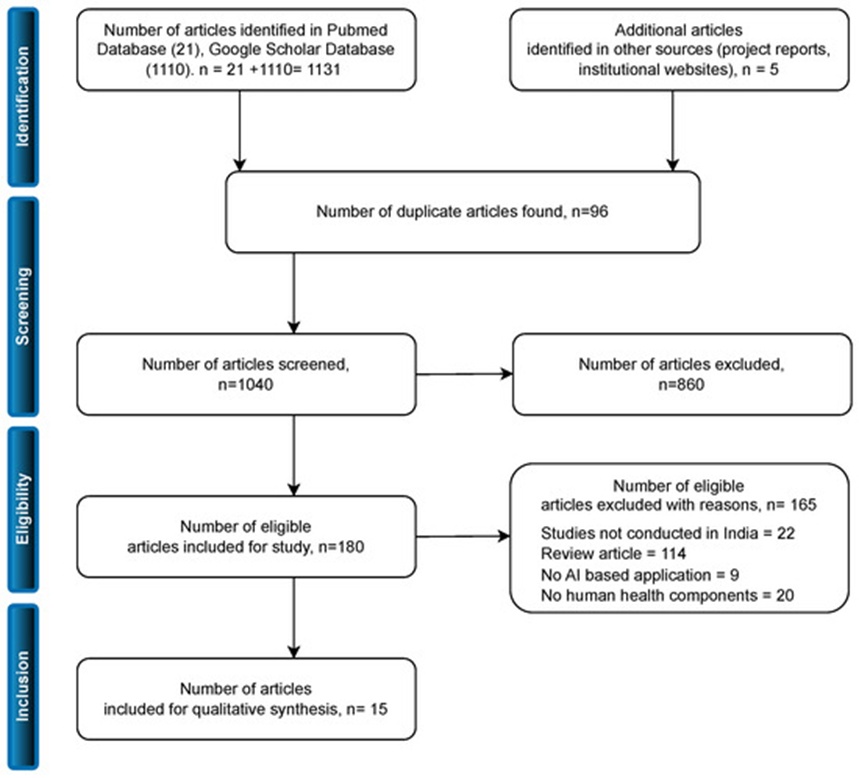
Figure 3. PRISMA-ScR flow diagram for scoping review.
This analysis investigates diverse implementations of AI within the Indian medical space. Ten papers are peer-reviewed publications, as detailed in Table 1, whereas five entries represent supplementary literature (grey literature), sourced from alternative channels such as institutional reports and official project sites. The chosen documents are analyzed against primary moral and statutory dimensions of AI medical implementations using a structured grading scale of “Full”, “Partial”, and “Not Found” (Tables 2 and 3). The designation “Full” denotes absolute compliance of the system with the relevant core principles of reliable AI. “Partial” indicates that the framework addresses a subset of the core principles relevant to reliable AI, while “Not Found” signifies that the document contains no discussion of the corresponding principles of reliable AI.
Table 1. Characteristics of publications on AI-driven healthcare innovations in India.
Study | Aim (Purpose) | Algorithm(s) Used |
S Kaur et al., 2022 [34] | To create a tool for data collection and analysis aimed at predicting dengue infection and estimating associated risk. | RF |
S Shaik et al., 2023 [35] | To predict heart disease tolerance using machine learning, enabling a mobile app to identify heart issues based on the patient’s heartbeat. | NB, DT, RF, SRP |
S Kadian et al., 2017 [36] | To implement telehealth and an artificial doctor system. Telehealth facilitates communication between rural populations and hospitals, while the artificial doctor offers alternative treatment for unknown diseases. | ANN |
KP Kalita et al., 2023 [37] | To integrate blockchain with ensemble machine learning for secure and reliable maternal data collection and storage, and to predict the risk of pregnancy complications. | RF |
RK Deka et al., 2023 [38] | To develop a method that converts numerical data points into images for classification while ensuring the privacy of medical data. | CNN |
Geetha et al., 2022 [39] | To devise a technique for secure transmission of sensitive medical images over open channels, maintaining health data privacy. | PIOE-SMIM |
Kumar, Anil et al., 2019 [40] | To create a model that anonymizes electronic health records (EHRs) with minimal information loss while enhancing data privacy. | SVM, k-NN |
Shanmuga Sundari et al., 2023 [41] | To apply machine learning methods for forecasting neuro-clinical data, specifically predicting psychiatric disorders known as impulse control disorders (ICDs) in patients. | AB, SVM, NB, LR |
Alnavar, Kruthika et al., 2021 [42] | To develop blockchain-based machine learning models for managing medical records and reducing fraudulent health insurance claims. | RF, SVM |
Malik, V et al., 2021 [43] | To design models that predict patient survival probabilities and response to medication in breast cancer cases. | ANN, KM |
Abbreviations: RF = Random Forest, NB = Naive Bayes, DT = Decision Tree, SRP = Sparse Random Projection, ANN = Artificial Neural Network, CNN = Convolutional Neural Network, PIOE-SMIM = Pigeon-Inspired Optimization with Encryption-Based Secure Medical Image Management, SVM = Support Vector Machine, k-NN = k-Nearest Neighbors, AB = AdaBoost, LR = Logistic Regression, KM = K-Means Clustering.
Table 2. Evaluation of the selected articles against key ethical considerations for trustworthy AI in the healthcare sector.
Study | Patient Privacy and Data Security | Informed Consent and Transparency | Unbiasness and Fairness | Liability and Accountability | Explainability and Interpretability |
S Kaur et al., 2022 [34] | Partial | Not Identified | Partial | Not Identified | Partial |
S Shaik et al., 2023 [35] | Partial | Not Identified | Partial | Not Identified | Partial |
S Kadian et al., 2017 [36] | Partial | Not Identified | Partial | Not Identified | Not Identified |
KP Kalita et al., 2023 [37] | Full | Partial | Not Identified | Partial | Partial |
RK Deka et al., 2023 [38] | Full | Partial | Partial | Not Identified | Partial |
Geetha et al., 2022 [39] | Full | Not Identified | Partial | Not Identified | Not Identified |
Kumar, Anil et al., 2019 [40] | Full | Not Identified | Not Identified | Not Identified | Not Identified |
Shanmuga Sundari et al., 2023 [41] | Not Identified | Partial | Not Identified | Not Identified | Partial |
Alnavar, Kruthika et al., 2021 [42] | Partial | Partial | Not Identified | Not Identified | Not Identified |
Malik, V et al., 2021 [43] | Partial | Not Identified | Not Identified | Not Identified | Not Identified |
Table 3. Evaluation of the selected articles against key legal considerations for trustworthy AI in the healthcare sector.
Study | Data Privacy and Protection Laws | Regulatory Approval and Compliance | Intellectual Property Rights | Cross-Border Regulations | Patient Consent |
S Kaur et al., 2022 [34] | Partial | Not Reported | Not Reported | Not Reported | Not Reported |
S Shaik et al., 2023 [35] | Not Reported | Not Reported | Not Reported | Not Reported | Not Reported |
S Kadian et al., 2017 [36] | Partial | Not Reported | Not Reported | Not Reported | Not Reported |
KP Kalita et al., 2023 [37] | Full | Partial | Not Reported | Not Reported | Partial |
RK Deka et al., 2023 [38] | Partial | Not Reported | Not Reported | Not Reported | Not Reported |
Geetha et al., 2022 [39] | Partial | Not Reported | Not Reported | Not Reported | Not Reported |
Kumar, Anil et al., 2019 [40] | Partial | Not Reported | Not Reported | Not Reported | Not Reported |
Shanmuga Sundari et al., 2023 [41] | Not Reported | Not Reported | Not Reported | Not Reported | Not Reported |
Alnavar, Kruthika et al., 2021 [42] | Partial | Not Reported | Not Reported | Not Reported | Not Reported |
Malik, V et al., 2021 [43] | Not Reported | Not Reported | Not Reported | Not Reported | Not Reported |
A machine-learning-based framework was created by Kaur et al. [34] to forecast the occurrence and risk severity of dengue infections using clinical and symptomatic data. This system performs real-time diagnostics and issues alerts regarding potential internal bleeding. Demonstrating an accuracy exceeding 90% alongside strong sensitivity and specificity, experimental results confirm the model's operational efficiency and practicality. Certain elements of trustworthy AI can be implicitly deduced from this research; for instance, the elevated accuracy denotes stable performance—a vital factor in trustworthy AI—while real-time diagnostic capabilities reflect equitable healthcare delivery. Although patient information is utilized, the study lacks explicit discussion regarding data security and patient privacy. Shaik and Kakulapati [35] designed software leveraging artificial intelligence algorithms to forecast resilience to cardiac disease. Operating via a mobile application, the tool monitors heartbeats to detect cardiac issues, assisting medical professionals in establishing precise diagnoses. The underlying AI models employ comparative learning derived from end-to-end graphical representations. The primary benchmarks of trustworthy AI met by this project comprise its cardiac disease forecasting accuracy and its end-to-end graphical results, which reflect transparency. This setup assists physicians in visualizing outcomes and comprehending the underlying predictive logic, marking a shift toward explainability, interpretability, and the social utility dimensions of trustworthy AI.
Healthcare delivery within rural India encounters obstacles stemming from a shortage of specialist guidance and prompt medical interventions. Computer science and telecommunications offer solutions to these challenges via the creation of telehealth networks and automated artificial doctors, concepts explored by Kadian and Chaturvedi [36]. Telehealth links isolated villages with urban medical centers through telecommunication channels, whereas artificial doctors utilize artificial neural networks to determine optimal treatments for unfamiliar ailments. By capitalizing on human intelligence, these technologies upgrade rural healthcare frameworks and naturally support accessibility, which represents a core ethical pillar for AI integration in medicine. While the deployment of centralized data repositories partially handles patient data privacy, compliance with formal data protection legislation is not detailed.
Kalita et al. [37] introduced a method to enhance maternal healthcare by integrating blockchain architectures with predictive data analytics via an ensemble machine learning approach. This blockchain-enabled system for predicting pregnancy complications utilizes a public dataset to securely archive maternal health records and gauge complication risk levels. Assessments of the system's efficacy demonstrate that it tackles data security, reliability, transparency, informed decision-making, and accountability within medical services. Utilizing blockchain ensures the secure and dependable gathering of maternal information backed by informed consent; nonetheless, the publication does not explicitly outline the exact mechanisms for patient consent or system interpretability.
Deka et al. [38] formulated a technique to represent discrete image samples, irrespective of their dimensions, utilizing a convolutional neural network (CNN) for classification tasks. To maintain data privacy, images undergo random rotation prior to classification. Evaluations comparing this method against existing techniques yield favorable outcomes. However, the researchers omit discussions on other fundamental aspects of trustworthy AI, such as informed consent, transparency, unbiasedness, fairness, data privacy laws, and patient authorization.
Geetha et al. introduced a method [39] designed to resolve security and privacy vulnerabilities in health applications where confidential medical imagery must be transferred over public media without jeopardizing individual privacy. They put forward an encryption methodology suitable for the medical field that incorporates an optimal secret key generation sequence. Their study details a novel approach termed Pigeon-Inspired Optimization with Encryption-Based Secure Medical Image Management (PIOE-SMIM), which demonstrates favorable metrics for MSE, RMSE, and Peak Signal-to-Noise Ratio (PSNR). Nevertheless, these proposed mechanisms do not encompass the majority of crucial legal and ethical requirements for trustworthy AI.
Kumar et al. designed a hybrid framework [40] intended to protect the privacy of Electronic Health Records (EHR). The authors validated data utility by applying ML techniques, specifically the Support Vector Machine (SVM) and k Nearest Neighbors (k-NN) classification models. The introduced privacy architectures prevent attribute disclosure, thereby successfully safeguarding personal privacy and fulfilling the data security and patient privacy mandates of trustworthy AI; conversely, other essential principles are absent from the study.
Shanmuga Sundari et al. [41] utilized standard machine learning models alongside the AdaBoost ensemble method to construct a framework for predicting Cerebellar Ataxia (CA) with high precision. By assessing gait analysis (AoG), the system facilitates the early identification of neurological conditions through symptomatic evaluation, automatically categorizing individual abnormalities based on walking traits. The authors do not directly address the foundational tenets of trustworthy AI; however, their emphasis on a comparative study across multiple ML models points to a transparent validation process and the identification of the most dependable model for early neurological diagnosis. Furthermore, the incorporation of AdaBoost reflects, to a certain degree, the interpretability component of AI.
Kruthika et al. [42] outlined a machine learning framework paired with blockchain technology to administer patient information and determine whether newly admitted individuals qualify for critical illness insurance coverage. This combination of blockchain-based smart contracts and machine learning functions as a practical alternative for mitigating deceptive claims submitted to insurance providers. The framework establishes trust and transparency among participating stakeholders via smart contracts. Even so, the use of claimant or patient data is missing any mention of informed consent. While blockchain integration ensures data safety and thwarts illicit access, it fails to explicitly cover patient privacy, and other core AI trustworthiness principles are omitted.
The critical surge of breast cancer occurrences in India—with approximately 180,000 cases documented in 2020—served as the core focus for Malik et al. [43]. The researchers refined two specific components within their project: patient survival forecasting and drug responsiveness during breast cancer therapies. Operating at a 94% accuracy rate, they introduced a framework that evaluates diverse omics datasets, including genomics and proteomics, to precisely map breast cancer advancement. This neural network-driven regression architecture provides substantial advantages for precision oncology. The high precision of the system points to stable performance, representing a foundational element of trustworthy AI. Although the combination of multi-omics data necessitates handling sensitive patient metrics, the text lacks references to the majority of key ethical and legal considerations required for trustworthy AI.
Apollo Hospitals has created a Clinical Intelligence Engine (CIE) [44, 45], which functions primarily as a decision support framework built upon an advanced, AI-driven conversational agent. Integrated into the Apollo24|7 digital interface, this decision-support resource assists in primary patient care, parses health analytics, and delivers tailored, actionable feedback to both medical practitioners and patients. In a parallel initiative, HealthPlix Technologies engineered a platform intended to optimize patient therapy management, specifically focusing on individuals managing chronic ailments. Their AI-enabled electronic medical records (EMRs) [46] function in both web-connected and offline environments, assisting healthcare providers in effortlessly managing clinical data while facilitating individualized medical attention. The TRACE-TB project, spearheaded by the non-profit group Wadhwani AI [47] and backed by the United States Agency for International Development (USAID), concentrates on engineering and deploying sophisticated artificial intelligence (AI) methodologies to combat COVID-19, eradicate tuberculosis transmissions in India by 2025, and mitigate other regional contagious diseases. Similarly, Wadhwani AI [48], in coordination with the National Centre for Disease Control (NCDC) under the Ministry of Health and Family Welfare, Government of India, structured tools designed to automate India's current public health tracking frameworks using AI. This mechanism principally aids in gathering, organizing, compounding, evaluating, and circulating real-time epidemiologic data.
An Indian technology startup, JiviAI [49], has asserted the creation of a massive language architecture named Jivi Medx, tailored for the medical domain to refine the precision and productivity of interactions between patients and clinical personnel. The framework supports detailed parsing of clinical histories, encouraging timely and precise diagnostics based on presenting signs. Furthermore, the Jivi MedX infrastructure can assist in medical investigation and training exercises while simplifying administrative operations.
Table 4. Recent developments in AI-powered healthcare innovations in India.
Study | Purpose |
PR Newswire, 2023 [44, 45] | To develop an AI-driven chatbot by Apollo Hospitals that delivers personalized, real-time health information aimed at enhancing diagnostic accuracy, improving physician productivity, and increasing patient satisfaction within the Indian healthcare system. |
T. S. Kushwah, 2023 [46] | To manage patient Electronic Health Records (EHRs) and optimize clinical workflows through an AI-based electronic medical record (EMR) platform. |
Wadhwani AI, 2022 [47] | To implement advanced AI-based interventions for combating infectious diseases in India, including the USAID-supported TRACE-TB initiative led by Wadhwani AI. |
J. Agarwal, Wadhwani AI, 2023 [48] | To automate and improve the disease surveillance system in India through the use of artificial intelligence. |
I. Negi, JiviAI, 2024 [49] | To develop a large-scale healthcare-focused language model tailored for India’s medical ecosystem. |
The non-academic literature detailing contemporary advancements within India’s digital health domain (Table 4) references privacy statements on respective corporate portals but fundamentally lacks deeper engagement with key ethical and statutory elements of AI, including accountability, transparency, equity, and compliance with frameworks such as GDPR or HIPAA. Their primary objective centers on gathering personally identifiable data from users and managing it with an emphasis on shielding private records from unauthorized breaches. To optimize platform utility, privacy policies dictate that patients consent to the internal processing of their personal data. Although these statements reference data protection safeguards to prevent illicit access—aligning to an extent with data privacy rules—they skip over deeper ethical and regulatory challenges unique to artificial intelligence. Assessing the precise workflows of clinical consultations, treatment methodologies, and long-term monitoring falls outside the scope of this review and is not detailed here.Policy and practice implications
The World Health Organization (WHO) has distributed a comprehensive set of recommendations [50] regarding the ethics, governance, and deployment of artificial intelligence (AI) in medicine to its member states. In a corresponding effort, India established the National Health Policy (NHP) 2017 with the overarching goal of ensuring universal access to high-quality medical services for all citizens, irrespective of economic standing. This policy emphasizes multiple computerized systems to optimize clinical service delivery and has proven instrumental in bridging systemic gaps across the medical industry through its targeted campaigns. It also advocates for the setup of the National Digital Health Authority (NDHA) to govern the creation, deployment, regulation, and optimization of digital medical solutions. In 2018, NITI Aayog drafted a National Strategy on Artificial Intelligence (AI) dubbed “#AIforAll,” designed to augment human capability in resolving economic and societal problems across five distinct areas [51]: healthcare, agriculture, education, smart cities/infrastructure, and smart mobility/transportation. To build upon this foundational architecture, NITI Aayog published the initial installment of its updated strategy, titled “Towards Responsible AI for All,” in 2021 [52]. This text seeks to anchor broad ethical standards for designing, building, and launching AI systems within India, drawing from international precedents while remaining firmly grounded in the domestic legal and statutory ecosystem. Previously, the Srikrishna Committee was formed in 2017 [53] to draft an Indian data protection blueprint, validating data privacy as a constitutional right for citizens. Operating on the committee's insights, the Personal Data Protection Bill (PDPB)—mirroring the European Union’s GDPR—was put forward in 2019. Additionally, the Information Technology Act, 2000 (IT Act) serves as one of the country's cornerstone legislative components governing cybersecurity, electronic commerce, and data privacy. Key state entities supervising data protection alongside trustworthy AI in domestic healthcare include the Ministry of Electronics and Information Technology (MeITY), the Unique Identification Authority of India (UIDAI), and NITI Aayog, among others.
India's regulatory environment for medical artificial intelligence (AI) remains decentralized and occasionally exhibits mismatched policy goals. For instance, international collaborative research and development operations involving AI frameworks could face hurdles due to the Personal Data Protection Bill, 2019, which heavily enforces user consent and local data residency to safeguard individual privacy. Regulatory strategies must reconcile the divide between theoretical ethical guidelines and operational deployment, maintaining ethical integrity while simultaneously driving technological breakthroughs. Structured directives are vital to ensure that grassroots populations benefit from automated tools as these systems are absorbed into large-scale state health projects, such as the Ayushman Bharat initiative [54]. To encourage systemic compatibility and integrate domestic oversight structures with global benchmarks, national policy frameworks ought to advocate for active partnerships with international bodies like the WHO and the United Nations Educational, Scientific and Cultural Organization (UNESCO) [55].
This scoping review additionally outlines the structural roadblocks impeding the widespread deployment of dependable AI models within the medical landscape, as recorded across existing literature. A major hurdle involves restricted access to, or the scarcity of, non-skewed datasets [56] necessary for training and benchmarking AI-driven models. Further constraints encompass minimal public awareness regarding data rights, alongside a shortage of definitive legal and ethical frameworks [57] tailored for medical AI implementation. Beyond these elements, investigators have highlighted a deficit in targeted strategies and state policies, combined with inadequate human resources, systemic infrastructure, and financial backing to execute trustworthy AI setups in clinical spaces.
Ethical AI maintains diverse applications across various branches [58] in India, including primary care, pharmaceutical development, clinical trials, hospital logistics, public health tracking, and psychiatric care. To satisfy legal and ethical imperatives, several benchmarks must be reached. These include compiling inclusive datasets that mirror India’s multi-faceted demographic makeup, engineering impenetrable encryption standards, establishing liability for faults generated by automated systems, preserving the patient's right to self-determination, and executing ongoing evaluation and updates of active models. By embedding equity, accountability, transparency, and data containment into these algorithmic tools, these industries can utilize advanced technologies to support the welfare of India's diverse populace.
This scoping review was performed to determine the current operational state of trustworthy AI within India. The study endeavors to chart how automated frameworks are being integrated into Indian medicine, paying close attention to how these systems conform to ethical and legal AI mandates. To our knowledge, this specialized review stands alone in its explicit focus on the integration of trustworthy AI frameworks inside India’s medical sector. The volume of relevant literature recovered remains restricted and modest, confirming that academic investigation in this space is still emerging due to a mix of systemic variables. Nevertheless, the Indian medical market has increasingly welcomed AI integrations in recent years, signaling an accelerating motivation to weave these tools into clinical pathways to upgrade patient outcomes. While this upward trend in adoption is clear, major advancements are required to guarantee that medical technologies fully comply with established parameters for ethics, management, and operational best practices. Successfully addressing the hurdles of aligning domestic AI integration with the transparency and interpretability standards of the WHO remains a mandatory milestone.
Integrating AI and its related technologies offers immense potential for the Indian healthcare industry. Nevertheless, current findings indicate a pronounced deficit in addressing statutory and ethical considerations regarding the deployment of AI-driven systems within India's medical framework. This underscores an pressing requirement to explore and develop frameworks in this domain, ensuring that reliable AI systems are designed and executed responsibly within Indian medical environments. To achieve this objective, India must construct a resilient data oversight framework backed by legal mandates that align with the WHO directives on the ethics and governance of AI in healthcare architecture. Primary efforts regarding data privacy and protection must prioritize the formulation of criteria for data anonymization alongside other mechanisms to shield highly confidential patient records. Concurrently, the accessibility of high-caliber clinical data must be guaranteed through the establishment of a digital health infrastructure designed for secure data storage and smooth distribution, without violating ethical or legal rules. Constructing a solid infrastructural baseline to sustain the creation and implementation of dependable AI protocols in medicine is mandatory. Furthermore, stakeholders across the healthcare sector must be properly educated and trained in AI applications to facilitate well-informed clinical choices. Partnerships between private corporations and public institutions ought to be encouraged to catalyze research and breakthrough methodologies regarding the deployment and practical execution of trustworthy AI in medicine. Because automated choices can profoundly alter human lives, medical AI systems must be inherently constructed with an emphasis on interpretability. Additionally, reflecting the diverse socioeconomic demographics of the Indian populace, these systems must remain entirely unbiased and equitable.
This review paper delivers a comprehensive evaluation of the integration of AI-driven methodologies within the Indian medical sector, highlighting the statutory and ethical regulations currently established. We anticipate that this assessment can serve as a vital resource for boosting research competency in trustworthy AI-enabled healthcare delivery, as well as guiding future AI-based developments to satisfy ethical and regulatory parameters. This analysis focuses primarily on evaluating academic output and literature concerning the application of dependable AI and machine learning inside the healthcare domain, specifically within the Indian context. The investigation encompasses applicable literature published from 2015 onward, retrieved from widely utilized digital indexes, specifically PubMed and Google Scholar. Furthermore, a rigorous effort was made to analyze the gray literature to gauge ongoing breakthroughs and the integration of AI frameworks by medical centers and research bodies aimed at upgrading healthcare systems in India.
This investigation was directed specifically at the implementation of trustworthy AI frameworks inside the Indian healthcare sector, intentionally excluding studies and literature detailing the use of dependable AI tools in alternative industries. We also recognize the potential omission of relevant analyses that did not incorporate titles, abstracts, or keywords corresponding directly to our search matrix. Moreover, this evaluation was restricted exclusively to papers written in the English language.
A scoping review covering 15 papers focused on medical AI implementations in India, along with an assessment of the AI market valuation within Indian healthcare, demonstrates a clear trajectory of expanding engagement in research and development for AI-driven clinical tools. These technological systems receive backing from both private enterprises and the Indian government to upgrade public health results across the country. Nonetheless, this investigation highlights prominent deficiencies and obstacles linked to integrating dependable AI operations within the Indian medical environment. These constraints include restricted accessibility or a shortage of non-skewed data resources to train and cross-validate AI-powered systems, minimal public understanding of data rights, an absence of explicit patient consent, and a deficit of robust legal and ethical codes that align with international benchmarks. This analysis underscores the necessity for deeper inquiry and functional strategies to resolve multiple core statutory and ethical challenges regarding the deployment of trustworthy AI in India's medical domain. This includes building regulatory frameworks supported by appropriate strategies and guidelines, executing targeted educational and training initiatives to overcome the current skills deficit, and allocating sufficient infrastructural and financial backing. Ultimately, this study highlights the need for unified cooperation among all stakeholders to establish a patient-first, privacy-respecting, and ethically sound AI network within the Indian healthcare sector.
The authors thank the Biomedical Sensors & Systems Lab, University of Memphis, Memphis, TN 38152, USA, for supporting this research and the article processing charges.
None
None
None
Open Access The author(s) retain copyright. This article is licensed under the Creative Commons Attribution-NonCommercial-ShareAlike 4.0 International License. It may be shared and adapted for non-commercial purposes with appropriate attribution, an indication of changes, and distribution of adaptations under the same license. Third-party material may be subject to separate terms identified in its credit line. View the license at https://creativecommons.org/licenses/by-nc-sa/4.0/.
 Transparent Intelligence Publishing